
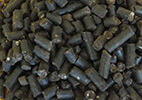
Equipment Introduction

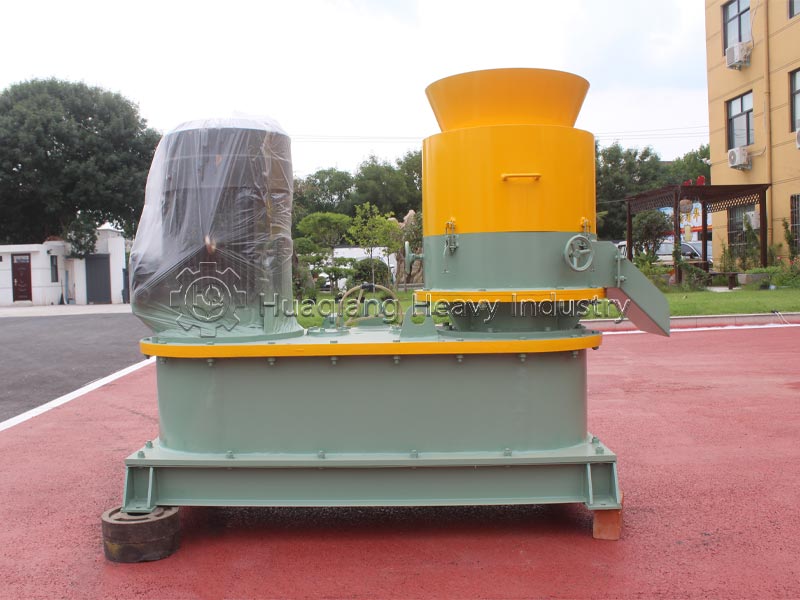
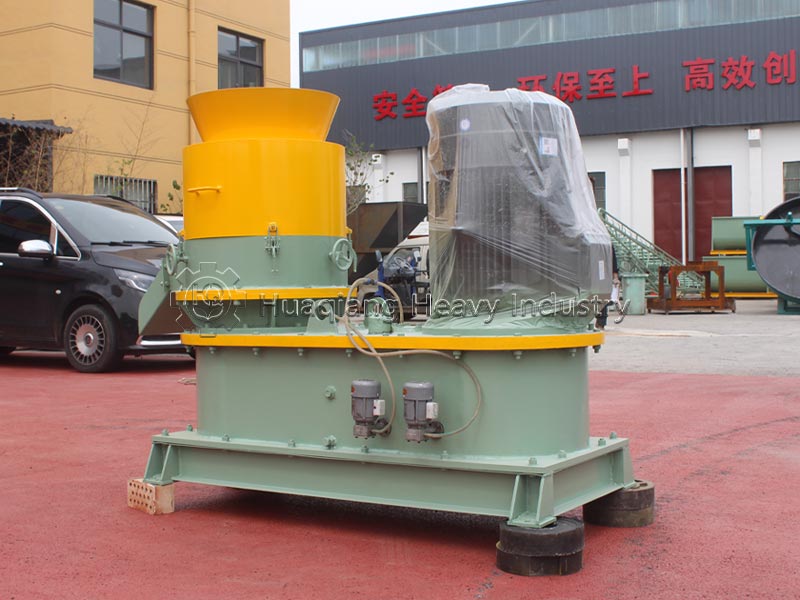
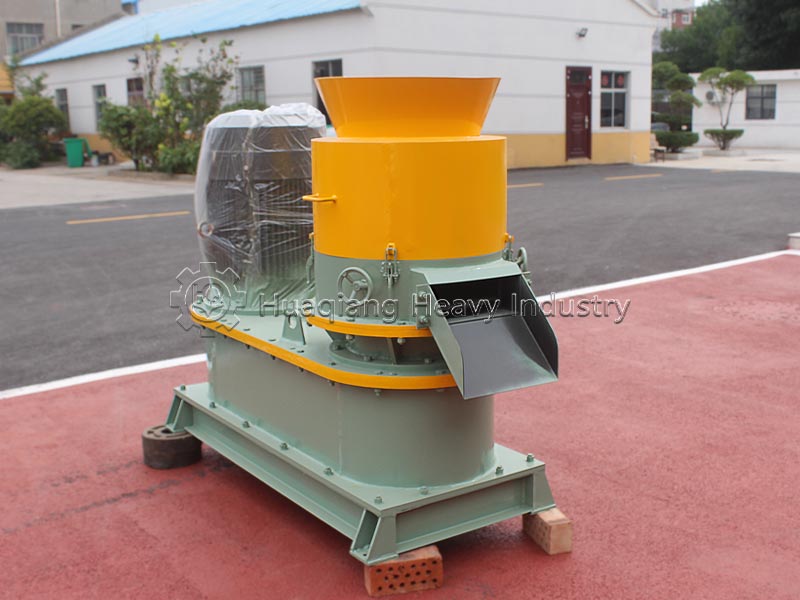
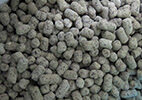
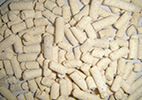
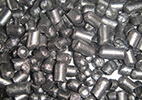
A flat die pellet machine, also known as a flat die granulator or flat film pelletizer, is a dry pelletizing machine based on extrusion molding technology that processes powdery or fibrous materials into cylindrical pellets. It is mainly used in organic fertilizer production, feed processing, biomass fuel manufacturing, and agricultural waste treatment.

This equipment adopts a conical wheel flat die structure and a screw center pressure adjustment mechanism, which can adapt to the pressing requirements of different materials by adjusting the die gap. The core pressure roller assembly adopts a multi-uniformly distributed structure, possessing the characteristics of pressure resistance, wear resistance, and stable operation. The flat die pellet mill can produce cylindrical pellets with a diameter of Φ1.5-Φ50mm, with a low temperature rise during processing (<30℃), which can better preserve the internal nutrients of the raw materials.

The flat die pellet machine features low investment cost, wide applicability, simple operation, and low energy consumption, making it the preferred pelletizing equipment for small and medium-sized organic fertilizer plants, feed processing plants, and biomass fuel enterprises.

Equipment Structure Composition

The flat die pellet machine mainly consists of the following core components:

  1. Frame and Body

The base is manufactured using a casting process or a welded channel steel structure. The equipment occupies a small area (approximately 2-3 square meters), has good stability, and can be placed directly on the ground.

  1. Flat Die (Template)

The core working component of the equipment, it is a horizontally placed annular steel plate with multiple evenly distributed die holes. The die hole diameter can be selected according to requirements, ranging from Φ1.5-Φ20mm (or Φ2-Φ8mm, etc.). The flat die is made of high-strength alloy steel and processed through heat treatment, resulting in high wear resistance. A threaded adjustment device is used to adjust the gap between the flat die and the rollers, extending the service life by 20% compared to the traditional shim method.

  1. Pressure Rollers

Mounted above the flat die, typically 2-4 rollers are evenly distributed. They can be divided into conical rollers and straight rollers according to their shape. The conical rollers have their ends aligned with the inner and outer rings of the die plate, avoiding misalignment friction, reducing resistance, lowering kinetic energy loss, and extending die life.

   4. Transmission System: Includes a motor, reducer, pulleys, and main shaft. Based on the movement of the actuators, it can be divided into three types: moving roller type (pressure roller moves, die is stationary), rotating roller type (die rotates, pressure roller is stationary), and double-moving roller type. Some models use universal joints or differential drives.

  1. Feeding System: Includes a feed hopper, distributor, and scraper to ensure material is evenly distributed on the die.
  2. Cutter and Discharge System: Located below the die, this system cuts the extruded cylindrical strip into granules. The length of the granules can be controlled by adjusting the cutter. Some models are equipped with a discharge disc or sweeper to deliver the finished product out of the machine.
  3. Pressure Adjustment Mechanism: Employs a screw-centered pressure adjustment structure to adjust the gap between the pressure roller and the die, adapting to the pressing requirements of different materials.

Working Principle

The working principle of the flat die pellet machine is based on roller extrusion and frictional thermodynamics:

1. Feeding: Raw materials enter the feeding chamber through the feed hopper and are evenly spread on the surface of the flat die by the distributor and scraper.

2. Extrusion: The pressure rollers roll on the surface of the flat die, applying extrusion pressure to the material. The material is compressed in the wedge-shaped area between the pressure rollers and the flat die, and its density gradually increases.

3. Entering the Die: When the extrusion pressure exceeds the frictional resistance between the material and the die wall, the material is forced into the die hole.

4. Holding Pressure and Shaping: The material continues to be compressed within the die hole, and its temperature and density further increase, resulting in plastic deformation and intermolecular bonding (such as starch gelatinization and protein denaturation).

5. Extrusion and Cutting: The material is extruded from below the die hole to form a long cylindrical strip, which is then cut into granules of the target length by a rotating cutter.

6. Discharge: The granules are discharged from the discharge port through the sweeping plate and naturally cool and solidify. During operation, the friction between the pressure rollers, the material, and the die generates heat, raising the material temperature to 60–80°C, which helps soften, bind, and shape the material. However, the temperature should not be too high to avoid material deterioration.

Equipment Compatible Raw Materials

The flat die pellet machine boasts excellent material compatibility, adapting to various powdery, flocculent, and finely crushed materials with a moisture content of 20%-40% and free of hard, large impurities. Specific categories include:

1. Livestock Feed Raw Materials: Corn flour, soybean meal, wheat bran, rice bran, fish meal, bone meal, premixes, forage powder, straw powder, bran cake, etc., suitable for producing livestock and poultry feed, aquatic feed, and pet food. It is also suitable for forming high-fat and high-molasses formula feeds.

2. Organic Fertilizer/Agricultural Raw Materials: Livestock and poultry manure (chicken manure, sheep manure, cow manure), straw fragments, sawdust, mushroom residue, biogas residue, humus, wood ash, oilseed cake, and other fermented organic materials. It is the core forming equipment for small-scale organic fertilizer production lines.

3. Biomass Energy Raw Materials: Wood chips, bamboo powder, rice husks, peanut shells, straw powder, and other finely crushed biomass powders, suitable for producing biomass fuel pellets and heating pellets.

4. Light Industry and Chemical Auxiliary Raw Materials: Loose powder materials such as small-scale chemical powders, feed additives, trace element powders, fertilizer additives, and desiccant raw materials.

Key Raw Material Compatibility Parameters:
Material Fineness: 20-100 mesh fine powder/flocculated material;
Material Moisture Content: 20%-40% (optimal range 25%-35%);
Prohibited Materials: Stones, iron blocks, hard large impurities (easily damage mold rollers).

Equipment Parameters

Organic Fertilizer Flat-die Pellet Machine Technical Parameters

Parameter ItemKP-210KP-260KP-400KP-500
ModelKP-210KP-260KP-400KP-500
Capacity (t/h)0.2-0.30.4-0.51-1.22-5
Pelleting Rate (%)>95%>95%>95%>95%
Rotation Speed (r/min)370260260125
Power (kW)7.5113055

Applications of the Equipment

The equipment has a wide range of applications, including but not limited to:
1. Feed Processing: Complete compound feed for poultry (chickens, ducks, geese), pigs, cattle, sheep, aquatic products, pets, etc.; vitamins, minerals, and premixed drugs can be added according to the nutritional ratio.

2. Biomass Energy: Granulation of sawdust, rice husks, straw, palm shells, bagasse, etc., for use as boiler fuel or biogas feedstock.

3. Organic Fertilizer and Compound Fertilizer: Combining organic matter such as pig, cattle, and sheep manure, compost, and kitchen waste with mineral fertilizers to produce granular organic fertilizer or compound fertilizer.

4. New Chemical Materials: Preparation of activated carbon granules, adsorbents, and pre-formed metal powder metallurgy granules, etc.

5. Environmental Protection and Solid Waste Treatment: Granulation of solid waste such as municipal solid waste, industrial waste residue, and sludge facilitates transportation and incineration.

Flat die pellet machine, with their unique advantages such as simple structure, low investment cost, strong raw material adaptability, low-temperature extrusion, and one-time molding, have become core equipment for small-scale production in the three major fields of organic fertilizer, feed, and biomass fuel. Their core technology lies in the extrusion action of pressure rollers and a flat die, which forces materials through the die holes to form cylindrical granules. The equipment is simple to operate, requiring only ordinary workers and no specialized technicians; maintenance costs are low, and upkeep is convenient.

We have been deeply involved in the fertilizer equipment field for many years. Whether you need a flat die granulator or plan an entire fertilizer production line—from fermentation and turning, crushing and mixing, to granulation, drying and cooling, screening and packaging—we can provide you with a one-stop solution.

logo-bottom1

We are a high-quality manufacturer of organic fertilizer equipment
Providing excellent consultation and after-sales service

© Copyright 2024 Huaqiang All rights reserved.