
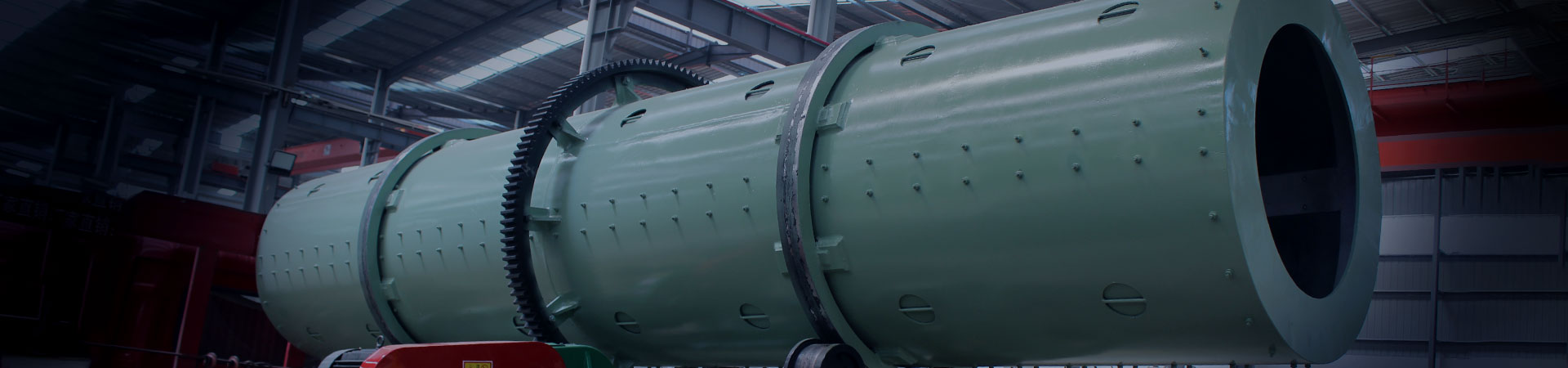
An organic fertilizer granulation production line is a complete set of equipment used to process organic waste (such as livestock and poultry manure, straw, etc.) into granular fertilizer. Its core processes include fermentation, crushing and batching, granulation, and drying.
The main equipment in an organic fertilizer granulation production line includes a crusher, horizontal mixer, drum screen, belt conveyor, double roller press granulator, disc granulator, granule grading screen, cooler, and automatic quantitative packaging machine.
Two mainstream production process flows:
I. Dry powder roller pressgranulation process
- Crushing: Well-rotted organic fertilizer is fed into the crusher to break up lumps;
- Mixing: Fine powder is fed to the mixer, and microbial agents and auxiliary materials are added as needed and thoroughly mixed;
- Extrusion granulation: The uniformly mixed dry material is fed into the roller granulator and extruded under high pressure to form semi-finished granules;
- Grading and screening: Granules are sieved, broken powder is returned for secondary processing, and regular granules enter the next stage;
- Automatic packaging: Qualified granules are conveyed to the packaging machine for quantitative sealing and storage. II. Wet Disc Granulation Process (For Premium Granular Organic Fertilizer)
II. Wet Disc Granulation Process (For Premium Granular Organic Fertilizer)
- Raw material crushing and mixing to prepare basic organic powder;
- Disc granulation: Powder is fed into the disc, continuously sprayed with clean water, and rolled to form spherical wet granules;
- Drying and dehydration: Wet granules are sent to a dryer to remove excess moisture;
- Cooling: High-temperature granules are cooled by a cooler to increase granule hardness;
- Screening and recycling: Qualified granules are screened, and broken material is returned to the granulation process;
- Finished product packaging: High-quality granules after screening are directly packaged and stored.
This organic fertilizer granulation production line boasts a high degree of automation, stable granulation formation, and uniform, dry granules. It is suitable for various raw materials such as livestock manure and straw, offering high processing efficiency, low loss, and easy storage and application of the produced granular fertilizer. Driven by policies promoting fertilizer reduction and farmland improvement, the demand for green planting continues to expand, leading to increased demand for supporting equipment in farms and organic fertilizer plants. This specialized production line aligns with the trend of circular agriculture and has enormous market potential.