

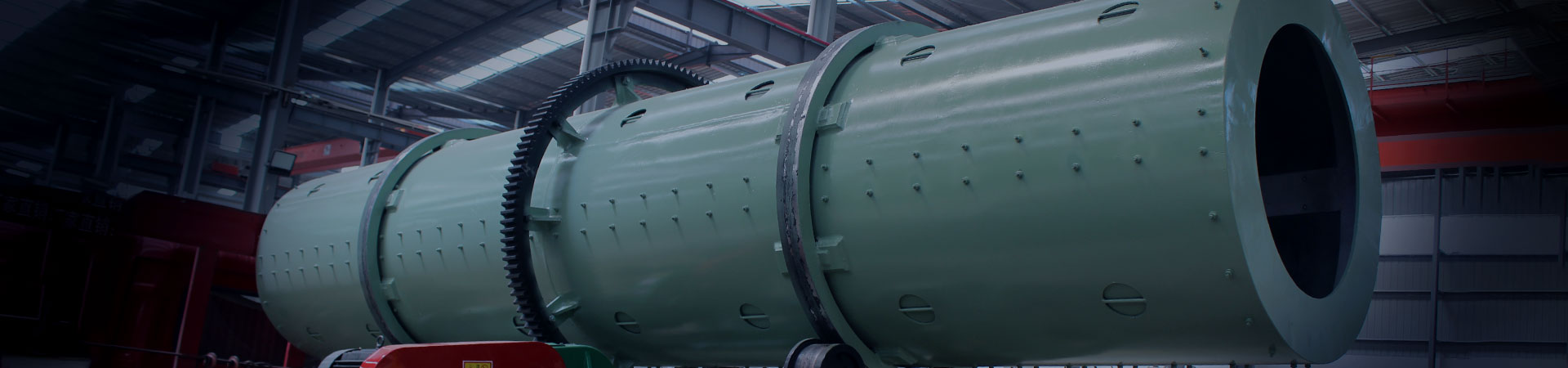
With the deepening of green transformation in agriculture, organic fertilizer production technology is ushering in a new round of innovation. In 2026, intelligentization, energy conservation, and resource utilization will become the main themes of industry development. The mature application of a number of new processes and equipment is redefining the production methods of organic fertilizer. This article outlines the five most noteworthy technology trends.
Trend 1: Widespread Adoption of Intelligent Fermentation Systems
Traditional composting fermentation relies heavily on manual experience, frequently resulting in problems such as inaccurate temperature and humidity control and untimely turning. In 2026, intelligent fermentation technology has moved from concept to mature application. The new generation of organic fertilizer fermentation equipment is equipped with multi-point temperature sensors and oxygen concentration probes, collecting real-time data from the compost pile and uploading it to the control system. When the temperature exceeds the 70℃ safety threshold or the oxygen content falls below the set value, the system automatically starts the turning machine and aeration device, achieving precise oxygen supply and temperature control. The entire fermentation cycle is shortened from 30 days to 15-20 days, and the consistency of decomposition is significantly improved. Some high-end models are also equipped with remote operation and maintenance modules, allowing technicians to monitor operating status and adjust parameters via mobile devices, truly achieving “unattended, intelligent operation.”
Trend Two: Dry Granulation Technology Accelerates Replacement
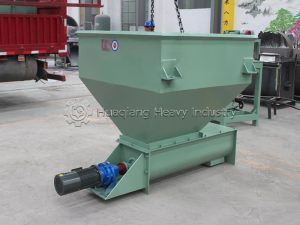
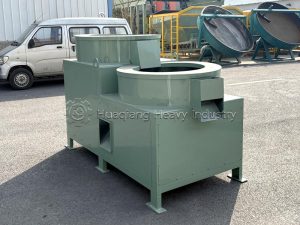
Energy consumption and environmental pressure in the granulation process have always been pain points in the industry. In 2026, dry granulation technology accelerated its popularization due to its significant energy-saving advantages. Represented by roller extrusion granulators, dry processes eliminate the need for high-temperature drying of materials, directly extruding powdery materials with a moisture content of less than 25% into granules, reducing overall energy consumption by 30%-40% compared to traditional wet granulation. The value of this technology is not only reflected in energy saving—for bio-organic fertilizers with added functional bacteria, the dry process avoids the problem of high-temperature inactivation of bacteria, significantly increasing the number of live bacteria in the product. Simultaneously, dry granulation produces no wastewater discharge and dust is easy to collect, making it a preferred option for new production lines in the context of increasingly stringent environmental policies.
Trend Three: Mature Organic + Inorganic + Biological Three-in-One Process
Single-function organic fertilizers are no longer sufficient to meet the needs of modern agriculture. In 2026, the integrated organic-inorganic-biological compounding process became the mainstream trend. This process, based on well-rotted organic materials, precisely adds nitrogen, phosphorus, and potassium inorganic nutrients and functional microbial agents (phosphate-solubilizing bacteria, potassium-solubilizing bacteria, biocontrol bacteria, etc.) through an automated batching system, giving the product multiple benefits including soil improvement, nutrient provision, and disease suppression. The key technological innovation lies in the application of low-temperature segmented drying technology, which dehydrates the granulated material at temperatures below 60℃, ensuring a stable survival rate of over 90% for the functional microorganisms. These products show significant effects on high-value-added cash crops such as fruits, vegetables, and tea, commanding a premium far exceeding that of ordinary organic fertilizers.
Trend Four: Co-processing of Multiple Waste Resources
The source of organic fertilizer raw materials is expanding from solely livestock and poultry manure to the co-processing of multiple wastes. The mainstream process in 2026 achieves the co-fermentation of multiple sources of organic waste, including livestock and poultry manure, crop straw, kitchen waste, and vegetable waste. The technological breakthrough lies in the pretreatment stage—specific crushing and conditioning equipment is configured for different raw material characteristics to adjust key parameters such as carbon-nitrogen ratio, moisture content, and pH value to the optimal fermentation range. Co-processing not only solves the problem of low fermentation efficiency of single raw materials but also achieves waste-to-waste treatment, significantly reducing raw material costs. For companies undertaking regional waste treatment projects, this technology has become a core competitive advantage.
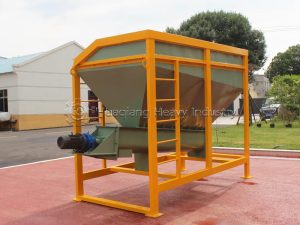
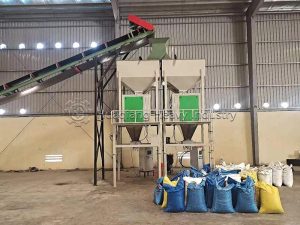
Trend Five: Low-carbon, closed-loop production becomes the standard. With continuously tightening environmental policies, low-carbon, low-dust, and closed-loop production has shifted from a “bonus” to an “entry barrier.” By 2026, newly built organic fertilizer production lines will generally adopt a fully enclosed workshop design, with negative pressure ventilation in the fermentation, crushing, and granulation zones. Dust-laden gas will undergo three-stage treatment—cyclone dust removal, gravity settling, and pulse bag filter—to meet emission standards. Regarding odor control, a combination of biological filters and chemical scrubbing processes can increase the removal rate of ammonia and hydrogen sulfide to over 95%. At the equipment level, drive motors are gradually switching to first-level energy efficiency products, and biomass pellets are replacing coal in drying hot air furnaces, significantly reducing carbon emission intensity. Equipment Upgrade Direction: Automation and High Stability Adapting to the aforementioned technological trends, organic fertilizer equipment is upgrading towards automation and high stability. PLC centralized control has become standard in large and medium-sized production lines, with features such as one-button start/stop, automatic interlock protection, and fault warning significantly reducing operational difficulty and failure rates. Key components such as granulator rollers, crusher hammers, and conveyor idlers utilize wear-resistant materials and heat treatment processes, extending their service life by more than 30%. For users, choosing equipment manufacturers with mature technology and complete process support will directly impact the operational efficiency and long-term benefits after project commissioning.
The integration of these trends is embodied in the modern bio organic fertilizer production line. A typical line now incorporates an intelligent fermentation system, a disc granulator or a complete disc granulation production line for shaping, and a low-temperature drying system to protect microbes. The finished granules are then stabilized in a fertilizer dryer machine and fertilizer cooler machine, classified by a rotary drum screening machine, and finally bagged by a fertilizer packing machine. For producers creating complex blends, an npk blending machine can be integrated to precisely add mineral nutrients. The shift towards dry granulation, co-processing of waste, and low-carbon closed-loop production is not just a collection of ideas but a tangible reality in new equipment designs. These advancements—from intelligent sensors in the fermentation tank to energy-efficient drives in the granulator—are making organic fertilizer production more efficient, more sustainable, and more responsive to the needs of modern, quality-focused agriculture.