
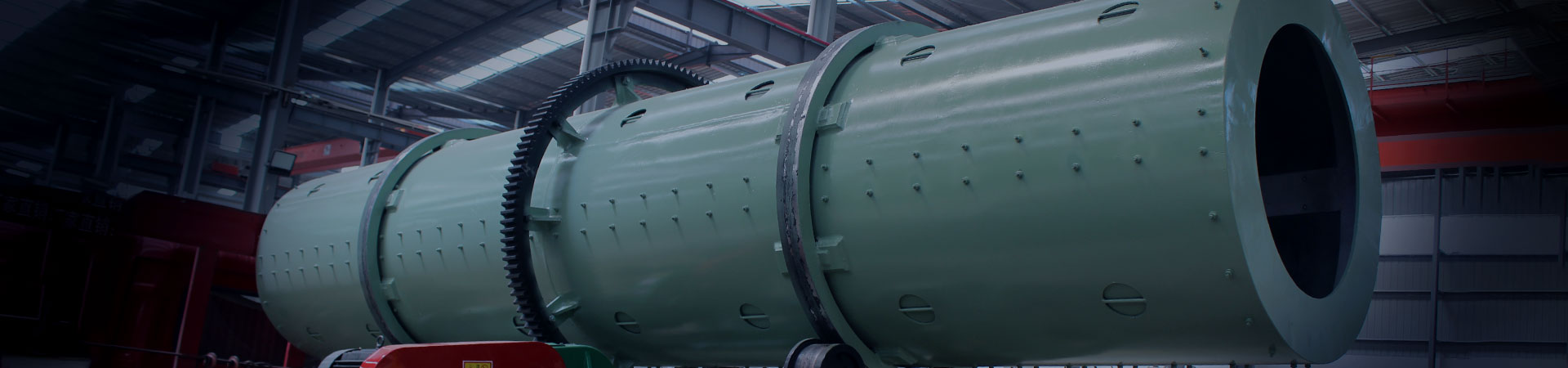
In the vast field of powder and granule mixing, where efficient, uniform, and gentle blending is paramount, the Horizontal Mixer stands out as a reliable choice across numerous industries with its unique horizontal drum design and precise internal mechanics. It doesn’t rely on intense vertical motion but achieves thorough integration of materials from the micro to macro level through precise mechanical action in the horizontal plane, serving as a steady and efficient “horizontal artisan” in mixing processes.
Core Advantages: Efficient, Uniform, Low Residue, Easy Maintenance
The design of the horizontal mixer cleverly balances mixing intensity with practicality, offering core strengths that make it excel in many blending tasks:

Exceptional Mixing Uniformity & Efficiency: The mixing drum is positioned horizontally, typically equipped with a dual-ribbon or paddle-type agitator. As the rotor turns, the outer ribbons convey material from both ends toward the center, while the inner ribbons move material from the center toward the ends. This creates intense convective, shearing, and diffusive movement, ensuring materials achieve high homogeneity in a short time, especially effective for ingredients with differing specific gravities or particle sizes.
Very Low Residue & Easy Cleanability: The precise fit between the unique U-shaped drum and the ribbons, combined with smooth interior walls, allows for fast and complete discharge with extremely low residue rates (typically <0.1%). This is crucial for industries requiring frequent formula changes and prevention of cross-contamination (e.g., food, feed, pharmaceuticals). The large access opening also facilitates manual cleaning and maintenance.
Gentle Mixing Action: Compared to some high-shear vertical mixers, the horizontal mixer’s action is more gentle, causing minimal damage to the crystalline structure or particle shape of materials. It is particularly suitable for blending already granulated fertilizers, fragile materials, or products where maintaining original physical characteristics is important
Stable Operation, Excellent Sealing: The horizontal structure ensures even load on the drive system, resulting in smooth, low-noise operation. The shaft ends employ multiple sealing arrangements (e.g., air seals, labyrinth seals, oil seals), effectively preventing dust leakage and lubricant contamination. This makes it suitable for handling fine powders or hazardous materials.
Wide Capacity Range, Strong Adaptability: Ranging from small laboratory models to large industrial units capable of handling several tons per batch, horizontal mixers meet production needs of various scales. They perform well with dry powders, granules, flakes, and materials with a certain degree of moisture.
Working Principle: The Synergy of Horizontal Convection and Counter-Current Cutting
The core of a horizontal mixer lies in its agitator rotor inside the horizontal drum. Taking the Dual-Ribbon Horizontal Mixer as an example, its operation is a precise exercise in “bidirectional logistics”:
Loading: Material is loaded into the U-shaped mixing drum via the top inlet, with a fill ratio typically between 30%-70%.
Mixing: The drive unit rotates the parallel ribbon shafts (or a single shaft) synchronously. The outer ribbons transport material from the drum ends along the wall toward the center zone, while the inner ribbons simultaneously push material from the center toward the ends. This creates a powerful axial circulatory flow within the drum.
Diffusion & Shearing: Concurrent with axial movement, material splashing and the shearing action at the ribbon edges further promote radial and circumferential mixing, breaking up agglomerates to achieve microscopic uniformity.
Discharge: Upon completion of mixing, the discharge gate (usually at the bottom center of the drum) opens. The rotation direction of the ribbons may be reversed, or specially designed blades may be used to rapidly and completely empty the drum within seconds.
Comparison with Other Mixing Equipment
Within the family of mixing equipment, the horizontal mixer holds a unique position due to its horizontal shaft design:
VS Vertical Mixers (Cone Blenders, V-Blenders): vertical disc mixers rely on gravity diffusion, requiring longer mixing times and potentially leaving dead zones at the bottom, with possibly incomplete discharge. Horizontal mixers blend faster, more intensely, and more thoroughly, especially suitable for large-capacity batch mixing.
VS Double Shaft Mixers: double shaft mixers offer extremely high mixing intensity and very short cycle times but have a more complex structure, potentially higher power consumption and wear. Horizontal ribbon mixers provide gentler mixing, extremely high uniformity, and lower residue, striking an excellent balance between homogeneity and gentle handling, making them ideal for precision blending.
Conclusion
Choosing a horizontal mixer means selecting a reliable, precise, and easy-to-collaborate-with partner for your blending process. It may not feature the fanciest technology, but with its classic horizontal ribbon design, it provides a near-perfect mixing solution year after year. In modern industry, where product consistency, production efficiency, and hygiene and safety are emphasized, this steady “horizontal artisan” continually proves that the most effective designs often stem from the deepest understanding and most elegant engineering application of material movement principles.