

Have you ever wondered what happens to the mountains of manure, straw, and food scraps that farms and cities produce every day? Left alone, they rot, stink, and pollute. But in the right hands—or rather, under the right machine—they become black gold. That machine is the double screws compost turner, and it’s the star of a remarkable team that transforms waste into wealth.
Imagine a long concrete trench heaped with steaming poultry litter and chopped straw. Straddling that trench is a beast of steel: the double screws turner. Its twin augers rotate in opposite directions, digging deep—up to 1.6 meters down—and lifting the heavy, sticky material into the air. With every pass, it shreds clumps, fluffs the pile, and forces oxygen into every crevice. That oxygen wakes up billions of thermophilic bacteria. The pile heats up, killing weed seeds and pathogens. Odors disappear. In weeks, what was foul becomes fertile.
But the turner doesn’t work alone. Before it even starts, a mixer or blender has already combined different raw materials—manure, crop residues, maybe a splash of microbial inoculant—into a balanced recipe. After weeks of regular turning (often helped by a hydraulic system that raises the screws to avoid obstacles), the dark, crumbly compost is ready for the next stage.
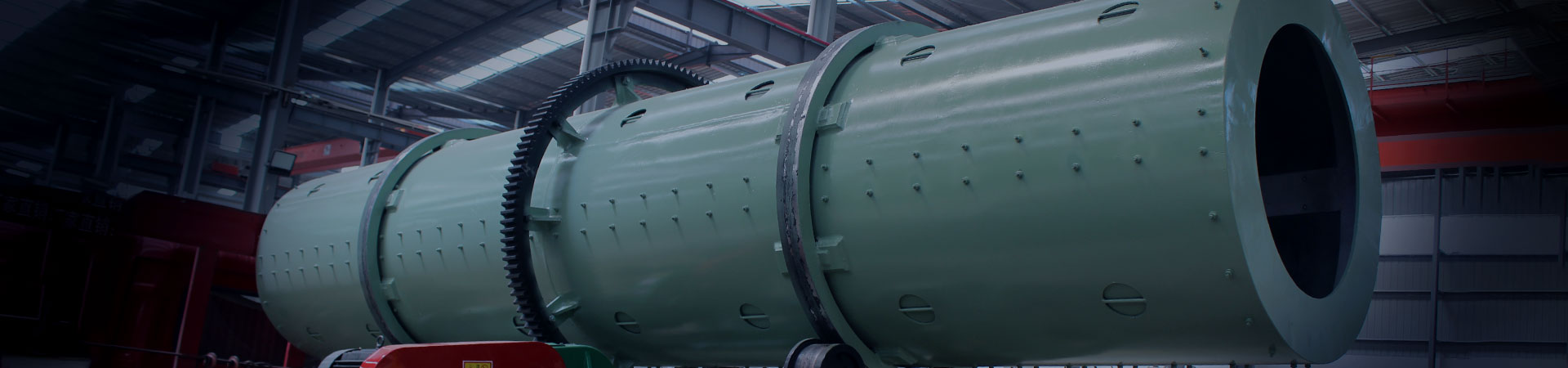
Now the supporting cast takes over. A crusher breaks up any remaining lumps, and a vibration screener machine separates the fine, uniform particles from oversized rejects. If the goal is powdered organic fertilizer, the product is bagged right here. But if granules are desired, the powder moves to a rotary drum granulator, where it’s rolled into smooth, dense pellets. Then comes a rotary dryer to whisk away moisture, followed by a cooler to bring the temperature down for storage. Often a coating machine adds a protective layer to prevent caking or to create slow release properties. Finally, automatic packers fill bags, stack them, and seal the deal. Throughout the line, conveyors, dust collectors, and control panels keep everything moving smoothly and cleanly.
Each piece of equipment is a specialist. The drum fertilizer dryer controls humidity; the screener ensures consistency; the granulator creates the perfect size for spreading. Without them, the turner’s beautiful compost would never become a stable, marketable product. It’s a choreography of metal and motion.
So the next time you see a bag of organic fertilizer at the garden center, or bite into an apple grown with compost, remember the double screws turner—and its silent partners. Because in the world of fertilizer, even the strongest solo needs an ensemble. And when that ensemble works in harmony, waste truly turns into gold.