

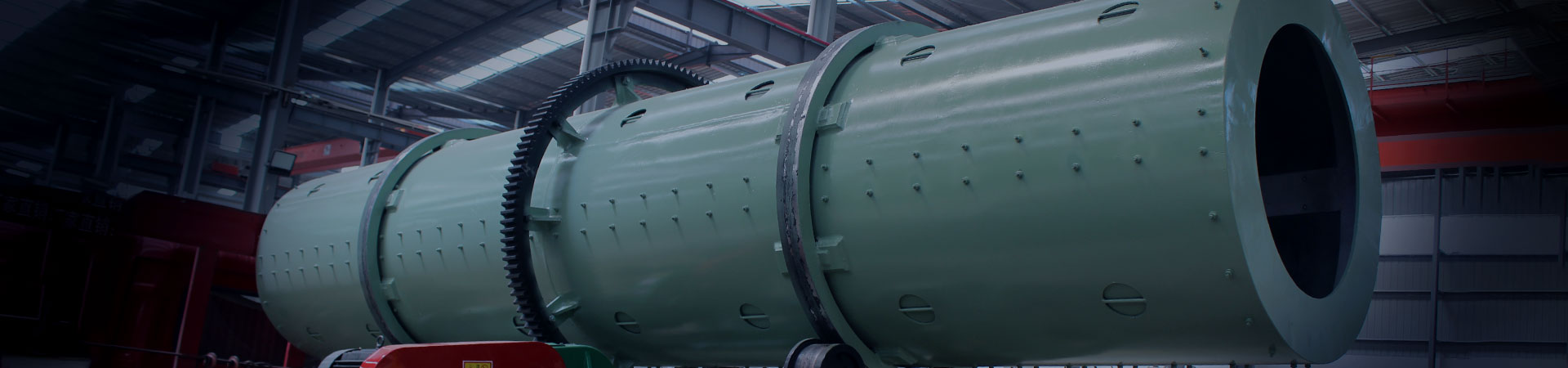
In organic fertilizer production, granulation is the critical step of transforming powdered materials into granular products. Traditional processes often rely on wet granulation—adding water or steam to agglomerate the material—but the resulting granules frequently have moisture content exceeding 60%, necessitating high-temperature dehydration using equipment such as rotary drum dryers. This drying stage typically accounts for 40% to 50% of total production energy consumption; furthermore, high temperatures cause significant loss of heat-sensitive components like organic matter and humic acids. The emergence of ambient-temperature, drying-free granulation technology fundamentally redefines the process logic of granulation.
The core of ambient-temperature, drying-free granulation lies in abandoning the traditional “add water, granulate, then dry” approach in favor of mechanical extrusion or agitation to achieve shaping directly at ambient temperatures. Taking the double-roller extrusion granulator as an example: under the high pressure of twin rollers, material is forced into mold cavities on the roller surfaces. Relying on intermolecular forces between particles, the material interlocks and binds tightly, forming high-density granules in a single pass. This process requires no added water, no binders, and—crucially—no subsequent heat drying. The raw material’s moisture content can be maintained between 20% and 40% (a state easily achieved through simple air-drying of fermented material); if the moisture content is controlled within the 20%–25% range, the resulting granules meet storage standards (under 20% moisture) without any further drying.

This technological approach drives systemic change. The synergistic effect of the entire organic fertilizer production line becomes particularly pronounced when this technology integrates into a complete closed-loop system: combining with upstream oxygen-supply and temperature-controlled fermentation (facilitated by windrow turners) and downstream screening and packaging (handled by fertilizer screening and packaging machines). In terms of energy consumption, eliminating the drying stage removes the need for coal, gas, or high-power electric heating; overall energy consumption can be reduced by 30% to 50% compared to traditional disc or rotary drum granulators. Regarding costs, the elimination of drying equipment—such as hot-blast stoves and rotary dryers—lowers initial capital expenditure by 40% to 50%, significantly optimizing the total investment cost for organic fertilizer plants. In terms of quality, operating entirely at ambient temperature prevents nutrient degradation caused by high temperatures (60–80°C), allowing for an 8% to 12% higher retention rate of active ingredients like organic matter and humic acid compared to traditional processes. From an environmental perspective, the absence of a drying stage means no hot-air emissions, completely avoiding pollution issues related to dust and volatile organic compounds (VOCs) found in drying exhaust. Furthermore, the granules form naturally through intermolecular forces, resulting in high strength and resistance to breakage—fully meeting requirements for packaging, transportation, and long-term storage.
The shift from “granulation with added water followed by drying” to “single-step ambient-temperature extrusion molding” represents more than just the removal of a process step; it redefines energy consumption structures, investment logic, and product quality. When granulation no longer relies on high-temperature drying, when nutrients are fully preserved, and when production costs are drastically reduced, organic fertilizer production truly embarks on a path of energy efficiency, high productivity, and sustainability. This signifies not only a technological advancement but also a solid step toward green manufacturing for the entire industry, offering a more competitive choice for investors seeking fertilizer equipment manufacturers and complete production line solutions.