
Question 1: Why is the industry shifting towards dry granulation instead of traditional disc granulation?
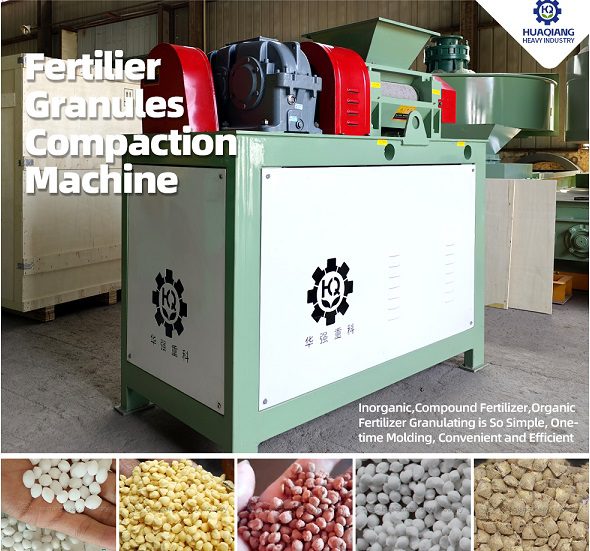
Answer: Dry granulation, especially using roller presses, significantly reduces environmental impact by eliminating drying and cooling steps. This not only reduces plant footprint but also lowers labor costs by 25% due to streamlined automation.
Question 2: How does “smart metering” affect equipment ROI?
Answer: By integrating sensors that adjust nutrient ratios in real time, manufacturers can reduce raw material waste by 12%. This precision is crucial for high-value compound fertilizer production processes where raw material costs fluctuate significantly.
Question 3: What are the biggest regulatory challenges facing equipment purchasers in 2026?
Answer: The biggest challenge is traceability. Future equipment must be able to record and export batch data to prove the “green origin” of fertilizers, especially for products exported to the EU and North American markets.
Question 4: What is the average cycle time from design to full operation? A: A standard plant with a capacity of 5-10 tons per hour typically requires 4 to 6 months of equipment manufacturing time, plus an additional 4 weeks for on-site installation and commissioning.
Question 5: Can a plant designed for producing NPK compound fertilizer also produce organic fertilizer?
A: Yes, but this requires a “hybrid” approach. While granulators and dryers can often be shared, a dedicated organic fermentation unit must be added at the front end of the production line.
Question 6: How much land is needed for a plant with an annual capacity of 50,000 tons?
A: Generally, a plant of this size requires approximately 3,000 to 5,000 square meters of land, including raw material storage, production workshops, and finished product warehouses.
Question 7: How to choose the appropriate screen mesh size for organic fertilizer and compound NPK fertilizer?
Organic fertilizers typically have a lower density and higher moisture content, therefore requiring a larger screen mesh size (typically 4-6 mm) to compensate for granule swelling and reduced flowability. Compound NPK fertilizers perform best when processed within a standard 3.5-5.5 mm sieve aperture range. It is essential to choose 304 grade or higher stainless steel mesh to enhance its resistance to residual acidic substances from phosphate and ammonium nitrate components.
Question 8: Why does my sieve still clog even when using a rubber ball cleaner?
Rubber ball cleaners are effective at removing mechanically stuck particles, but they cannot remove electrostatic adsorption, which plays a dominant role when processing dry particles with a moisture content below 2%. Install a copper braided grounding strap on the sieve frame and consider installing an ionizing air bar above the sieve surface to reduce static electricity.
Equipment Selection as a Strategic Investment Framework
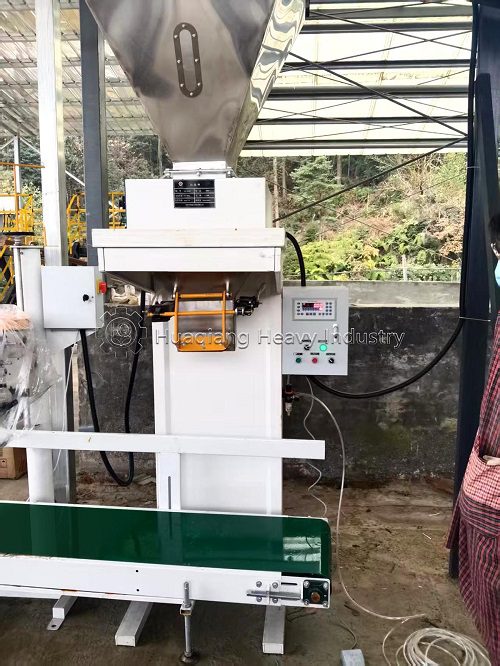
The eight operational insights above converge on a single strategic imperative: equipment architecture must be designed for flexibility, traceability, and energy efficiency from day one. A modern npk fertilizer line anchored by a roller press granulator production line eliminates steam dependency, slashes energy costs, and delivers the dry granule density required for seamless downstream processing through the fertilizer cooler machine, rotary drum screening machine, and fertilizer packing machine. For hybrid operations, adding a dedicated fermentation module upstream transforms the same core infrastructure into a bio organic fertilizer production line, with the fertilizer dryer machine operating below 60°C to preserve microbial viability. Smart metering sensors integrated across both configurations enable real-time nutrient adjustment, cutting raw material waste by 12% while generating the batch traceability data required for EU and North American export compliance. Whether selecting 304-grade stainless steel mesh for corrosive NPK formulations or installing ionizing air bars to combat electrostatic blinding, every equipment decision compounds into either competitive advantage or operational liability. Manufacturers that architect their npk fertilizer line and bio organic fertilizer production line as modular, data-enabled platforms—rather than static machine collections—will dominate the 2026 market landscape.