
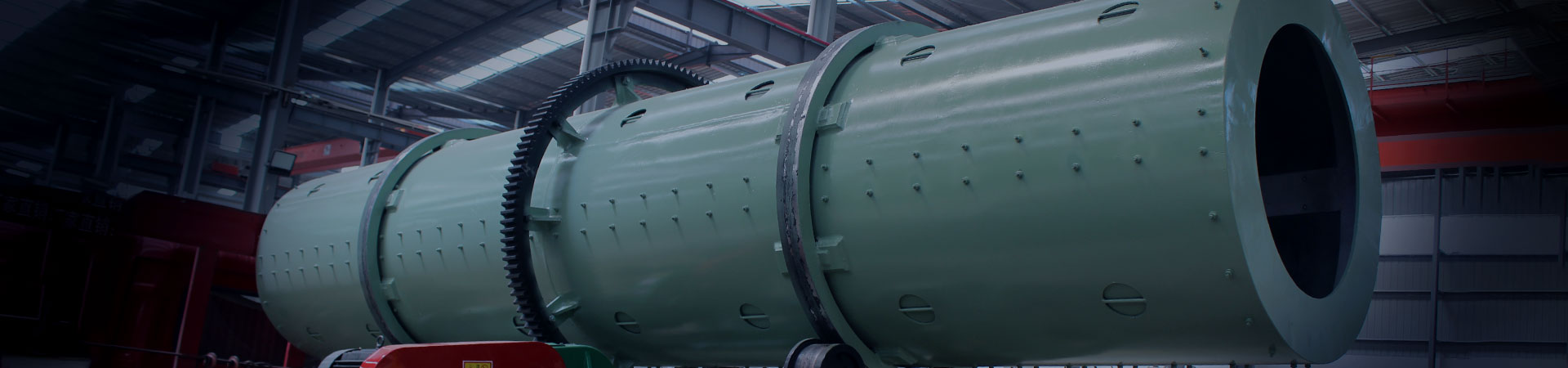
In fertilizer production, equipment procurement decisions often face a core contradiction: pursuing higher durability often means thicker steel and stronger structures, which typically increases equipment weight and operating energy consumption. Conversely, excessively pursuing lightweight and low energy consumption may lead to shorter equipment lifespan and increased failure rates. So, how can industrial fertilizer machinery balance durability and energy consumption? This article analyzes this from three dimensions: materials, structure, and process.
What is the Balance Between Durability and Energy Consumption in Fertilizer Machinery?
Durability refers to the length of time equipment can operate without failure under rated conditions, usually measured by the lifespan of wear parts (hours) and the overhaul cycle (years). Energy consumption refers to the total amount of electricity, fuel, and other energy consumed by the equipment to produce each ton of product. The balance point lies in minimizing the sum of “equipment depreciation + maintenance costs + energy costs” over the entire lifespan, rather than simply pursuing the optimal value of one particular indicator.
Material Selection: A Combination Strategy of High-Strength Steel and Wear-Resistant Lining
Materials are the bridge between durability and energy consumption.
Matrix Material: Application of Lightweight High-Strength Steel
Traditional equipment often uses Q235 ordinary carbon steel, which is thick and heavy. Modern designs have shifted to using high-strength low-alloy steel (such as Q355, NM400), which can reduce wall thickness by 15%-25% while maintaining the same strength, thereby reducing the equipment’s rotational inertia and drive energy consumption. According to industry equipment parameters, if the drum of a rotary drum granulator is upgraded from 16mm Q235 to 12mm NM400, the overall weight of the machine decreases by approximately 18%, and the power of the matching motor can be reduced accordingly by 10%-15%. Wear-resistant lining: A design approach for tiered protection
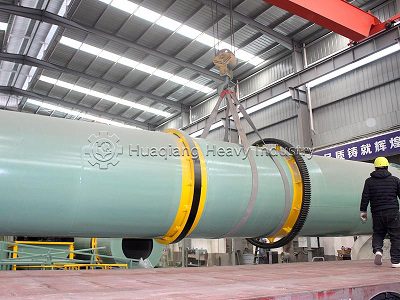
Instead of using expensive, highly wear-resistant materials for the entire cylinder, a tiered protection strategy of matrix + lining is recommended:
Rubber lining: Utilizes elasticity to absorb impact, reducing direct wear from materials on the cylinder. Its smooth surface also reduces material adhesion and driving resistance.
Stainless steel lining: For highly corrosive materials, although slightly heavier, it avoids cylinder replacement due to corrosion, indirectly reducing total lifespan costs.
Selection recommendations: When handling mild materials (such as organic fertilizer), use a combination of Q355 cylinder and rubber lining, balancing lifespan and energy efficiency. When handling highly corrosive materials (such as potassium sulfate compound fertilizer), stainless steel lining, while adding a slight weight, avoids the energy loss from frequent downtime for replacement.
III. Structural Optimization: Engineering Practices for Weight Reduction Without Sacrificing Quality
Structural design can significantly reduce energy consumption without sacrificing strength.
Finite Element Analysis-Assisted Optimization
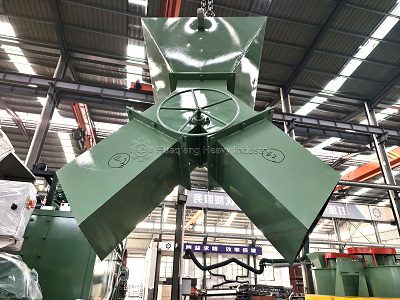
Using simulation software such as ANSYS, topology optimization is performed on key load-bearing components of the equipment to remove redundant materials. For example, after stress analysis of the granulator roller support, a design with reinforced ribs and perforated webs can be adopted, reducing weight by approximately 30% while maintaining rigidity. This improvement directly reduces material consumption during equipment manufacturing and the basic load during operation.
Efficiency Improvement of the Transmission System
Replacing the traditional Y-series motor with a permanent magnet synchronous motor increases efficiency from 90% to over 96%, while reducing motor size by approximately 30%. Replacing belt drive with gear drive increases transmission efficiency from 92%-95% to 97%-98%, and eliminates the additional bearing load caused by belt tension. Using low-resistance bearings (such as C3 clearance group) and synthetic grease can reduce frictional power consumption by 5%-8%.
Process Adaptation: System Synergy Between Equipment and Production Line
The balance between durability and energy consumption cannot be considered from the perspective of a single machine; it must be considered within the context of the entire production line.
Reducing Ineffective Work
Installing frequency converters for conveying equipment and fans: adjusting speed according to actual load to avoid over-engineering. Data shows that after fully installing frequency converters on a compound fertilizer production line with a capacity of 10 tons per hour, power consumption can be reduced by 18%-22%.
Optimized return material ratio: By adjusting the coordination between the granulator and screening machine, the return material ratio was reduced from 1:1 to 0.6:1, which is equivalent to reducing the energy consumption of material circulation and conveying and crushing by 40%.
Preventative maintenance reduces friction. Strictly adhering to a bearing lubrication schedule (e.g., adding high-temperature grease every 200 hours) can reduce bearing friction loss by approximately 15% and extend bearing life by 2-3 times. Maintaining the scraper and cleaner in good condition prevents material from forming scale on the inner wall of the drum—a 10mm increase in scale thickness can raise motor current by 8%-12%. V. Practical Selection Recommendations. When evaluating specific equipment, request the following data from the supplier to determine the “durability-energy consumption” balance: Power consumption per ton of product (kWh/t): This is the most direct energy efficiency indicator. Theoretical lifespan of vulnerable parts (hours): Including liners, rollers, screens, etc. Ratio of total machine weight to motor power: A high ratio indicates “bulky and energy-intensive,” while a low ratio may indicate insufficient rigidity. For most medium-sized fertilizer plants, equipment configurations using a high-strength steel base with rubber/stainless steel lining, a main drive equipped with a permanent magnet synchronous motor and frequency converter, and finite element optimization of key components can achieve both low failure rates and low operating energy consumption within a 3-5 year investment payback period. According to the supporting solutions provided by Zhengzhou Tianci Machinery, production lines designed following this approach can reduce overall energy consumption per ton of product by 15%-20% compared to traditional designs, while extending the lifespan of vulnerable parts by 25%-35%.
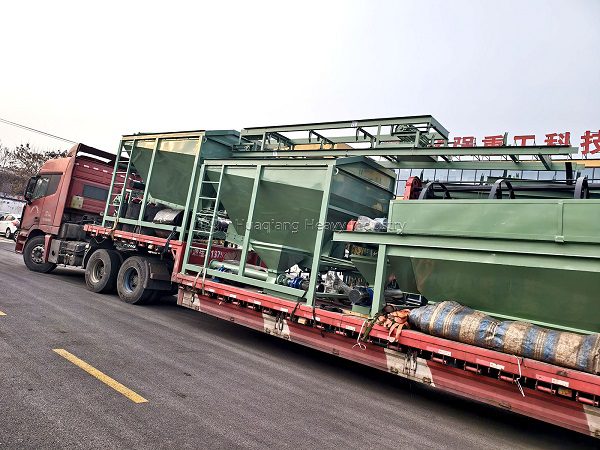
The durability-energy balance is not a property of isolated machines but of the integrated production architecture. In a modern npk fertilizer line, the 15-20% energy reduction from high-strength steel, permanent magnet motors, and variable frequency drives must extend across the thermal chain: the fertilizer dryer machine optimized with finite-element lifting flights and waste heat recovery; the fertilizer cooler machine with adjustable dams and conditioned air supply; and the rotary drum screening machine with low-resistance bearings and automated pulse cleaning. For roller press granulator production line operations, dry compaction eliminates the drying energy burden entirely, while Q355-NM400 hybrid construction reduces roller inertia and drive power without sacrificing the 15-Newton hardness threshold. In a bio organic fertilizer production line, where thermal discipline demands sub-60°C drying to preserve microbial viability, lightweight drum construction and high-efficiency transmission become even more critical—every kilowatt saved in the dryer extends the economic viability of low-temperature preservation. Finally, the fertilizer packing machine benefits from permanent magnet servo drives that cut sealing and dosing energy by 10-15% while maintaining ±0.1% gravimetric accuracy. By treating durability and energy as coupled optimization variables across the entire equipment train—from crusher through packer—manufacturers achieve the lowest total life-cycle cost while building the operational flexibility to serve both commodity bulk and premium specialty markets.
Conclusion The durability and energy consumption of fertilizer machinery are not a zero-sum game. Through four measures—weight reduction with high-strength steel, graded protection with wear-resistant linings, improved transmission system efficiency, and frequency conversion coordination across the entire line—operating energy consumption can be significantly reduced without sacrificing lifespan. Users should abandon the old notion that “heavier is more durable” when selecting equipment, and instead focus on the material grade, structural design level, and the rationality of system configuration. This is both a pragmatic choice to reduce total life-cycle costs and a wise decision to cope with the long-term upward trend in energy prices.