

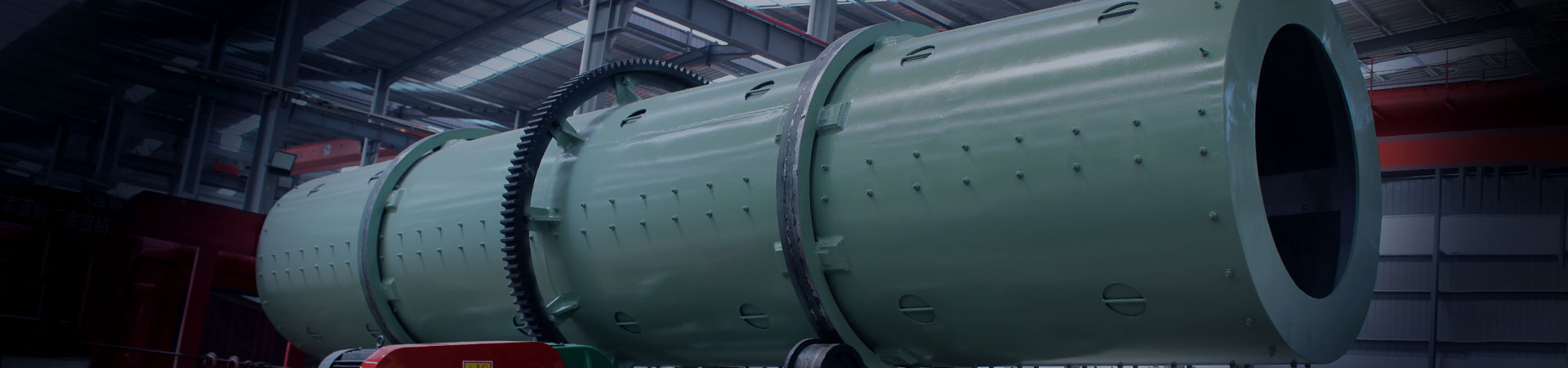
Dry granulation and wet granulation are two drastically different processes in fertilizer production. Choosing the wrong method can lead to doubled investment and persistently high operating costs. The core conclusions are as follows: Dry granulation (roller extrusion) has low investment, low energy consumption, and rapid production, but produces granules with a rough appearance and limited strength; wet granulation (drum/disc) produces rounded granules with high strength and is suitable for large-scale production, but requires a supporting drying and cooling system, resulting in significantly higher investment and energy consumption.
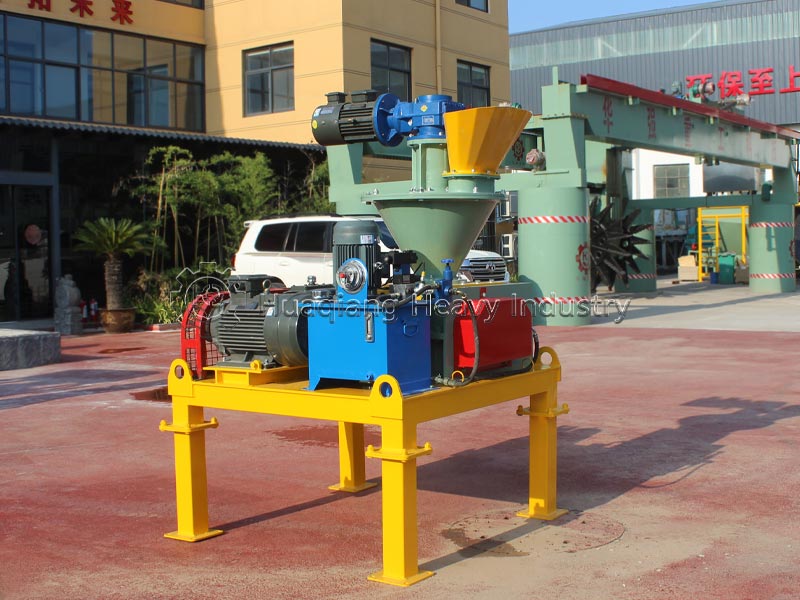
I. Energy Consumption Comparison: Nearly Double the Difference
Dry granulation involves no water throughout the entire process. The powder is directly pressed into shape under high pressure by two rollers at room temperature, without the need for drying or cooling. The electricity consumption per ton of fertilizer is only 8–15 kWh. Wet granulation requires adding water to the material to 25%–35% to form pellets, followed by drying and cooling dehydration. The entire drying process consumes approximately 60%–70% of the production line’s energy. Rotary drum granulation consumes 35-40 kWh per ton of fertilizer, 2-3 times that of dry granulation. Based on an annual production of 50,000 tons, dry granulation alone can save hundreds of thousands of yuan annually in electricity costs.
II. Comparison of Yield and Granule Quality:
Dry granulation achieves a pelleting rate of over 85%-90% and has a low return rate (10%-25%), but the granules are flattened spherical or pillow-shaped with a strength of only 3-5 N, making them prone to pulverization during transportation. Wet granulation achieves a pelleting rate of 80%-95%, producing smooth, round granules with a strength of 8-12 N, and a breakage rate 47% lower than dry granulation. For branded commercial fertilizers, wet granulation offers significant advantages in appearance and strength.
III. Comparison of Return on Investment: Dry Granulation Pays Back Investment Faster
The total investment for dry granulation equipment is approximately 1/2 to 2/3 that of a wet granulation line, with a construction period of only 20-40 days, while a wet granulation line requires several months or more. Dry granulation systems require no thermal equipment, are simple to operate, and fully automated lines require only 2-3 people. Wet granulation requires a dedicated team for heat sources, dust removal, and process analysis, resulting in higher operating costs. Industry data shows that the payback period for organic fertilizer granulation equipment is typically 1.5-3 years, with dry granulation lines offering a faster return on investment due to lower initial costs.
IV. Matching the Granulation Route to Equipment and the Whole Production Line
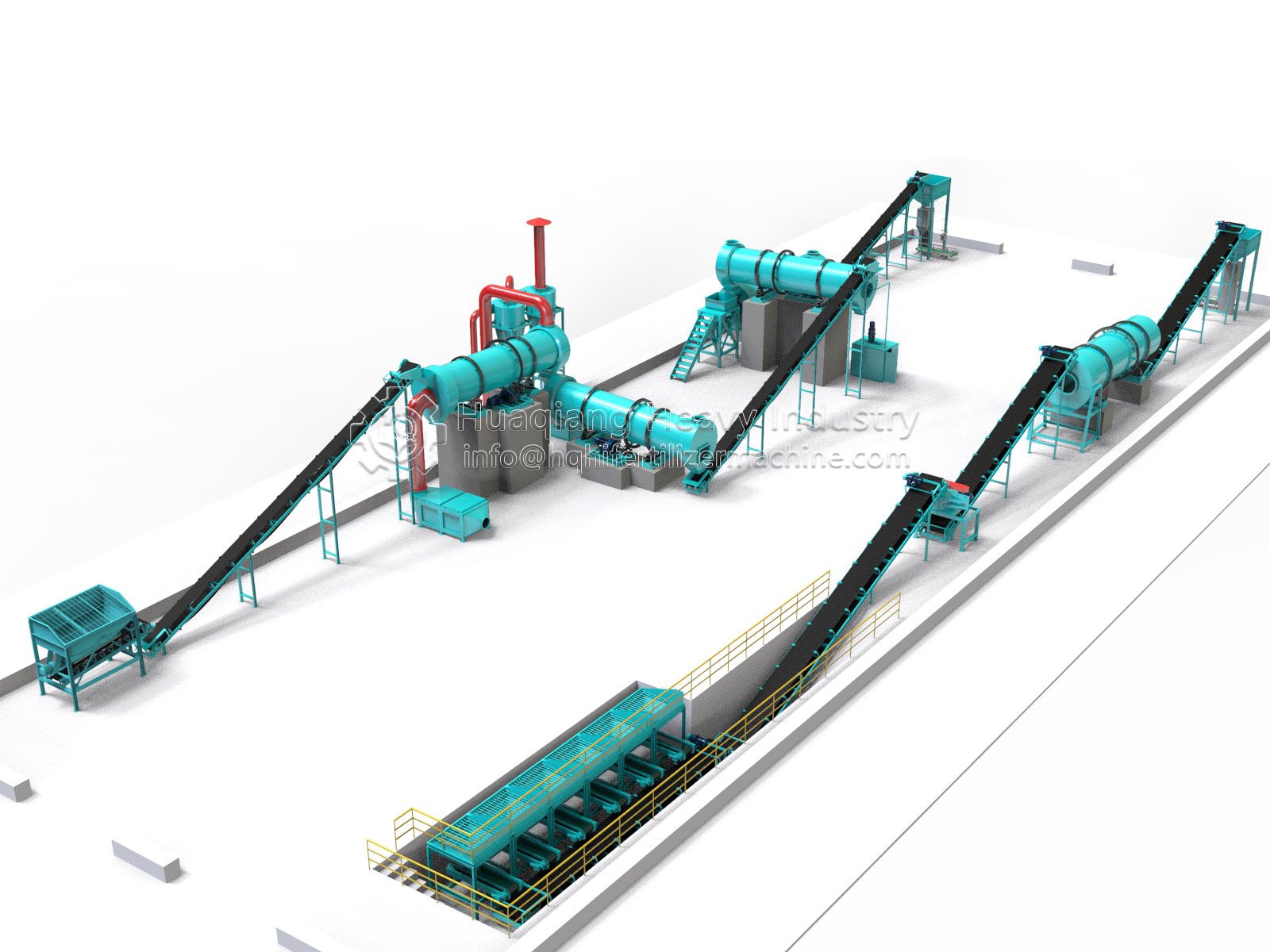
The dry-versus-wet decision should be implemented through the right equipment chain, not by comparing a single fertilizer granulator machine. On the dry side, a roller press granulator production line typically uses a double roller extrusion granulator or a hydraulic roller granulator to compact powder into flakes or sheets; upstream, a cage crusher controls feed particle size and reduces coarse lumps, while downstream a fertilizer packing machine completes the final handling. In npk fertilizer formula processing, the choice between dry and wet routes also depends on formulation hygroscopicity, heat sensitivity, and target granule strength. For wet routes, the fertilizer granulator machine must be matched to drying, cooling, and screening capacity, while dry routes should be matched to crushing, recycling, and packing. In this sense, the route choice is a line-level decision: the double roller extrusion granulator or hydraulic roller granulator determines compaction, the cage crusher determines recycle quality, and the fertilizer packing machine determines final product protection. Matching these machines to the formulation and product positioning is more reliable than selecting equipment by name alone.
V. Selection Recommendations
Dry granulation is the preferred choice for: small- to medium-sized production lines with limited budgets, dry powder raw materials, heat-sensitive materials (bio-fertilizers), and blended fertilizers and potassium fertilizer granulation where granule appearance requirements are not high. Wet granulation is the preferred choice for: large-scale NPK production exceeding 50,000 tons per year, branded fertilizers requiring rounded and strong granules, and formulations containing humic acid or high-moisture raw materials.
There is no absolute superiority of dry versus wet granulation; the key is matching product positioning and budget. The current mainstream industry logic favors dry granulation for cost-effectiveness and rapid production, and wet granulation for granule quality and large-scale production.