

In the highly competitive fertilizer manufacturing industry, the continuous and stable operation of the production line is the lifeline of profitability. Unplanned equipment failures leading to unexpected downtime result not only in high repair costs but also in order delays, production losses, and a crisis of customer trust. Compared to passively “repairing only when something breaks,” implementing a systematic preventive maintenance strategy is the wisest choice to protect investments and control long-term operating costs.
A Shift in Mindset: From “Cost Center” to “Benefit Investment”
Many managers view equipment maintenance as a necessary expenditure. However, advanced management practices show that scientific, proactive maintenance is a high-return “benefit investment.” Its core value lies in replacing uncertain, high-cost losses from sudden failures with predictable, controllable periodic maintenance costs. Regular inspections, lubrication, calibration, and replacement of wear parts effectively prevent small problems from escalating into major failures, keeping equipment in optimal operating condition, thereby directly improving overall equipment efficiency (OEE) and ensuring stable output of capacity and quality.
Quarterly Maintenance Checklist for Core Equipment: An Action Guide
The following is a framework for quarterly maintenance checks of key equipment in a fertilizer production line, designed to systematically prevent common failures:
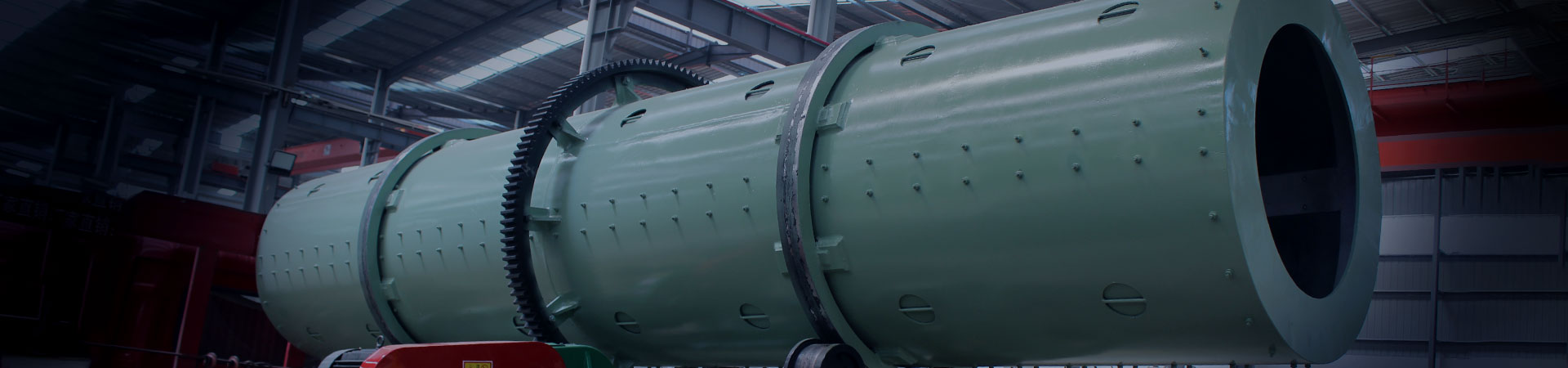
Granulation and Forming Equipment (e.g., Rotary Drum Granulator, Roller Press)
This is the core of the production line. The following should be checked quarterly:
Mechanical Transmission: Check the gearbox oil level and quality, and listen for any abnormal noise or vibration. Check the main bearing temperature and replenish with high-temperature grease.
Wear Part Condition: For rotary drum granulators, check the wear and tightness of the lifting plates inside the drum; replacement should be planned if wear exceeds 1/3. For roller presses, the gap between the rollers must be precisely measured, and the wear of the roller surface pattern or die holes must be checked. This is crucial for ensuring granulation rate and particle strength.
Power and Connections: Check the motor fan, tighten the foundation bolts, and tension or replace the drive belts/chains to ensure smooth and efficient power transmission. II. Crushing and Screening Equipment (e.g., chain crushers, vibrating screens)
These devices are subjected to high-frequency impacts and vibrations, resulting in severe wear.
Crushers: After shutdown, open the inspection door and focus on checking the wear of the hammerheads and liners. When the wear on one side of the hammerhead reaches 1/3 of its original size, it should be adjusted or replaced to maintain rotor balance and avoid severe vibration. Also, clean any potentially entangled fibrous materials.
Vibrating screens: Check the screen mesh for damage, blockage, or loose tension, and replace damaged screens promptly to ensure screening accuracy. Check the fastening bolts and shock-absorbing springs of the vibrating motor to ensure there are no fractures or aging.
III. Conveying and Transmission Systems (e.g., belt conveyors, bucket elevators)
As the “blood vessels” of the system, their smooth operation is crucial for the entire production line.
Thoroughly inspect all conveyor belts for misalignment, wear, and joint condition, and adjust the tensioning device. Clean any material adhering to the idlers and rollers to ensure smooth rotation.
Check the buckets of the bucket elevator for deformation or damage, and the wear and tension of the traction chain or belt.
Lubricate the bearings of all rotating parts.
Beyond the Checklist: The Value of Professional Support
Executing the above maintenance checklist requires professional knowledge and experience. This is where the value of our comprehensive after-sales service lies. We not only provide clear equipment maintenance manuals but also offer:
Customized Maintenance Plans: Our engineers can help you develop personalized monthly, quarterly, and annual maintenance plans based on your specific equipment model, operating hours, and production environment, rather than using generic templates.
Remote Diagnosis and Early Warning Support: By accessing equipment operating data, our technical center can provide remote health monitoring, assisting you in analyzing trends and issuing warnings before potential failures occur.
Original Parts and Fast Response: Using original wear-resistant parts and spare parts ensures that the equipment is restored to optimal performance, avoiding secondary damage or efficiency losses caused by mismatched parts. Our established spare parts supply network is designed to provide you with a rapid response, minimizing downtime.
In the era of refined operations in fertilizer production, equipment reliability and production efficiency are directly proportional. A rigorously implemented, systematic “fertilizer equipment maintenance” program is the strongest foundation for extending the lifespan of your fertilizer production equipment, reducing overall costs, and achieving market stability. It ensures your equipment investment continues to appreciate and allows your production plans to proceed smoothly. Let us work together to transform preventive maintenance from a mere checklist into a powerful core competency in your factory’s daily operations.
A comprehensive preventive maintenance strategy must extend to all components of the npk fertilizer line and any High-end organic fertilizer equipment. The batching stage, whether using a basic system or a precise single silo single weigh dynamic automatic batching system, requires regular calibration of load cells and inspection of feeders to ensure formula accuracy. The fertilizer drying machine, a major energy consumer, needs quarterly checks of internal lifting flights, burner efficiency, and seal integrity to maintain thermal performance. The bucket elevator, the workhorse of vertical transport, requires tension checks on belts/chains and inspection of buckets for wear or damage to prevent sudden breakdowns. The rotary drum screening machine must have its screen mesh inspected and its drum alignment checked to prevent material leakage and ensure efficient separation. Finally, the automatic packing machine at the end of the line needs its sensors, sealing bars, and weighing system regularly calibrated to guarantee accurate, high-quality finished products. A holistic, proactive maintenance approach across this entire system is the key to maximizing uptime and profitability.