

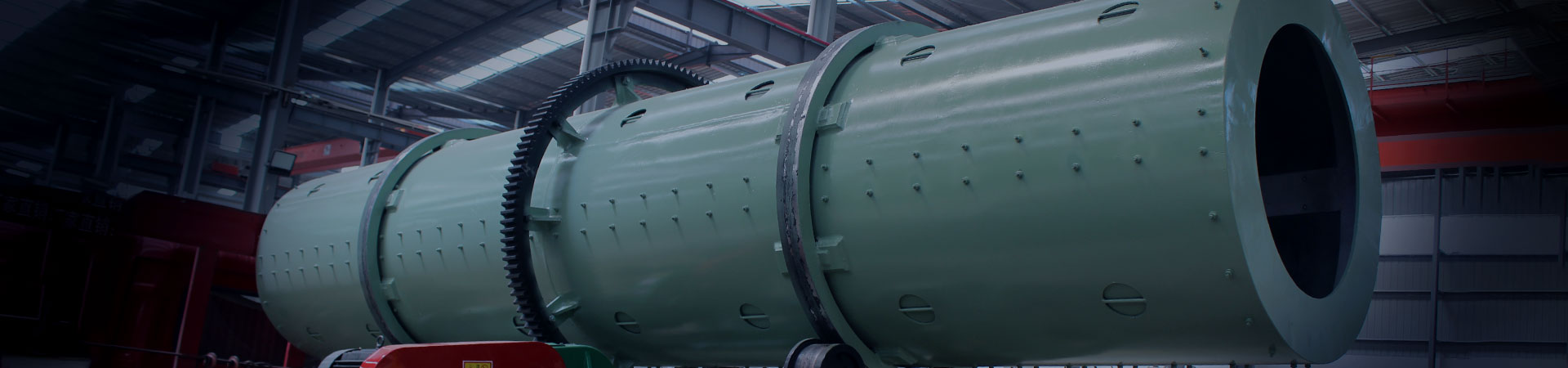
In the precise world of modern agriculture, where soil conditions and crop requirements vary dramatically from field to field, the ability to create tailor-made nutrient solutions is paramount. The NPK Blending Machine stands as the technological centerpiece of this customization revolution. Far more than a simple mixer, it is a precision instrument that orchestrates the accurate combination of granular fertilizer materials into perfectly homogeneous blends, delivering exactly the nutrient ratios that agronomists prescribe and crops demand.
The Precision Principle: Weighing, Not Just Mixing
The fundamental operation of an NPK blending machine is built on a sequence of exact measurements followed by thorough homogenization. Unlike chemical reactors, it performs a physical assembly of pre-manufactured granular components—such as urea (N), diammonium phosphate (P), and muriate of potash (K)—along with micronutrients and fillers.
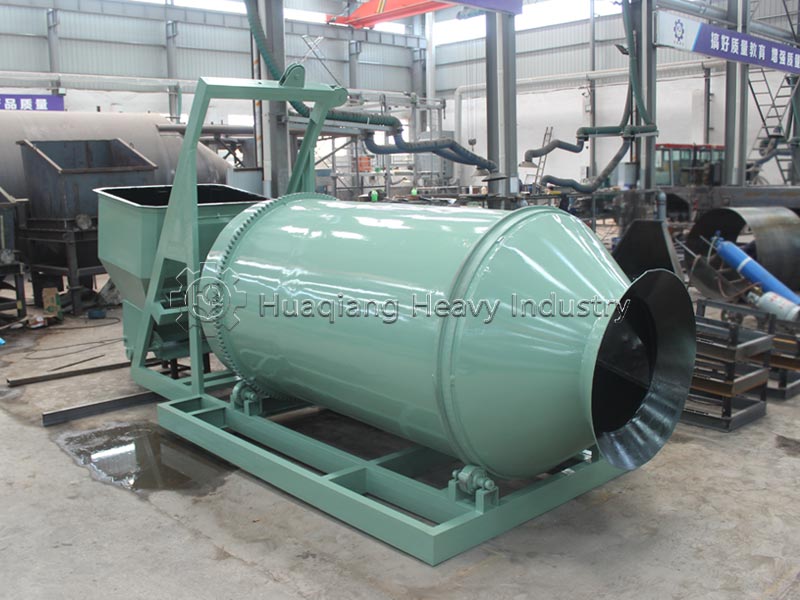
A typical advanced system follows this process:
Computer-Controlled Batching: The operator inputs the desired formula (e.g., 15-15-15) into a Programmable Logic Controller (PLC). Each raw material is stored in a separate hopper. Upon command, discharge gates open, and materials are fed via precision vibratory feeders or weigh belts into individual weigh hoppers mounted on high-accuracy load cells. Each component is weighed to within ±0.1% of the target.
Synchronized Discharge: Once all materials for a batch are weighed, they are simultaneously released into the mixing chamber. This simultaneous discharge is critical to prevent segregation and ensure mixing efficiency.
Key Advantages: Customization, Efficiency, and Integrity
The NPK blender offers a compelling set of benefits that make it the backbone of flexible fertilizer production.
Unmatched Formulation Flexibility
Its greatest strength is the ability to switch between recipes in minutes. A single blending line can produce dozens of custom NPK grades, speciality crop blends, or starter fertilizers in one day, responding directly to dealer orders and seasonal demand without costly downtime.
Preservation of Granule Quality
The blending process is gentle and dry. It does not involve heat, pressure, or liquid binders that can degrade the physical quality of the raw materials. The hard, uniform granules produced by upstream processes remain intact, ensuring excellent storage and flow characteristics in the final product.
Operational and Economic Efficiency
With no chemical reaction or drying phase, energy consumption is low, limited primarily to the drives of the loader feeding hopper, mixer, and belt conveyor. The system offers a rapid return on investment due to its high throughput, low operational cost, and the premium value of customized products.
Scalability and Clean Operation
Blending systems can be designed from small (2-5 tons/hour) to very large (50+ tons/hour) capacities. Modern enclosed designs with integrated dust collection systems ensure a clean working environment and prevent cross-contamination between batches.
The Role in a Complete Blending Line (BB Fertilizer Plant)
The blending machine is the core of a Bulk Blend (BB) fertilizer plant, integrated seamlessly with other critical equipment:
Upstream: It relies on loader receiving hoppers and bucket elevators to fill the raw material storage bins. The quality of the incoming granules—uniform in size and moisture content—is essential for preventing segregation.
Downstream: The homogeneous blend is discharged into a finished product hopper, which feeds a bagging scale for 25kg/50kg bags or a bulk loading system for direct truck filling. An in-line rotary screener may be used to remove any oversize agglomerates formed during storage.
Comparative Perspective: Blending vs. Compound Granulation
| Parameter | NPK Blending (Physical) | Compound Granulation (Chemical) |
| Process | Mechanical mixing of granules. | Chemical reaction & granulation of powders. |
| Nutrient Uniformity | Homogeneous blend; each granule is a single nutrient. | Homogeneous granule; each pellet contains all nutrients. |
| Flexibility | Extremely high; quick changeover. | Low; formula changes are complex and slow. |
| Capital Cost | Relatively low. | High. |
| Product Range | Ideal for multi-nutrient, custom blends. | Ideal for standardized, high-analysis grades. |
| Granule Integrity | Depends on quality of raw materials. | Consistent, but may be softer. |
Conclusion: The Engine of Precision Agriculture
The NPK blending machine is more than industrial equipment; it is the enabling technology for precision nutrition. It empowers fertilizer producers to move from manufacturing standardized products to providing a vital formulation service tailored to the specific needs of modern farms. In an era where input efficiency and environmental stewardship are critical, the ability to deliver the exact nutrient balance required—nothing more, nothing less—is invaluable. For this essential role in sustainable agriculture, the precise, reliable, and flexible NPK blending machine remains an indispensable tool in the global food production chain.