


The cleaning and maintenance of granulators directly determine their service life and production continuity. Different models require specific cleaning focuses, necessitating tailored daily, weekly, and monthly maintenance plans.
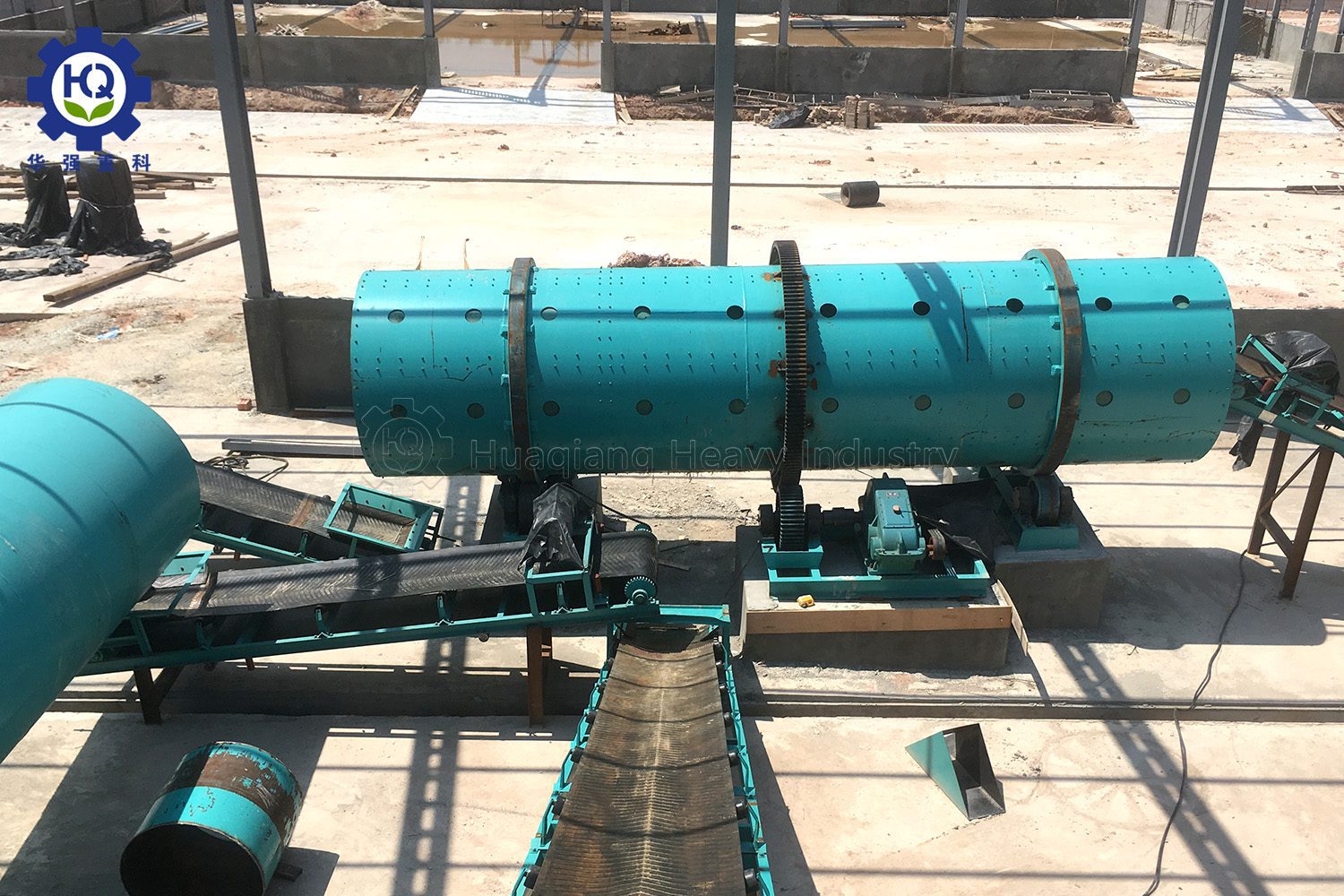
Maintenance of rotary drum granulators: After each shift, a layer of wet material adheres to the inner walls and lifting flights of the drum. If not cleaned promptly, this dries into hard scale, affecting the granulation yield (granule formation rate) during the next run. Cleaning method: After shutdown, use a high-pressure water gun (pressure ≥5 MPa) to wash the inner drum walls while intermittently rotating the drum to ensure all surfaces of the lifting flights are thoroughly cleaned. Inspect the contact surfaces between the riding rings and support rollers weekly; remove any adhered hard particles and replenish lithium-based grease. Measure the drum wall thickness monthly; if wear exceeds 20% of the design thickness, schedule repair welding or liner replacement.
Maintenance of disc granulators: The disc surface and the scraper are the parts most prone to wear. When cleaning the disc surface after each shift, use a rubber scraper to remove accumulated material from the disc bottom; strictly avoid using iron hammers, as this can deform the disc surface. Maintain a gap of 3–5 mm between the scraper and the disc bottom; check this weekly with a feeler gauge and adjust immediately if the gap exceeds the limit. If the rim plate at the disc edge shows curling or perforation, replace it promptly to prevent material leakage.
Maintenance of double-roller extrusion granulators: After shutdown, clean residual material from the dimples on the roller surfaces using a wire brush; hard particles stuck in the dimples can accelerate wear. Check the hydraulic system’s oil level and pipeline sealing, and replace the filter element weekly. Keep bearing temperatures below 60°C; if abnormal temperature rises occur, inspect the grease for degradation or check the bearings for wear.
Maintenance of ring die granulators: After shutdown, the die holes must be filled with an oily mixture (such as a blend of oil and fine powder) to “seal the die,” preventing wet material from hardening and clogging the holes. Whenever the ring die is replaced, use a micrometer to measure the wear on the inner diameter of the die holes; a new die should be installed if the hole diameter expands by more than 8% of the original size. Maintain a detailed maintenance log recording the date of each service, replaced parts, and operating hours to create a traceable equipment history, thereby effectively extending the overall service life of the pelletizer.