

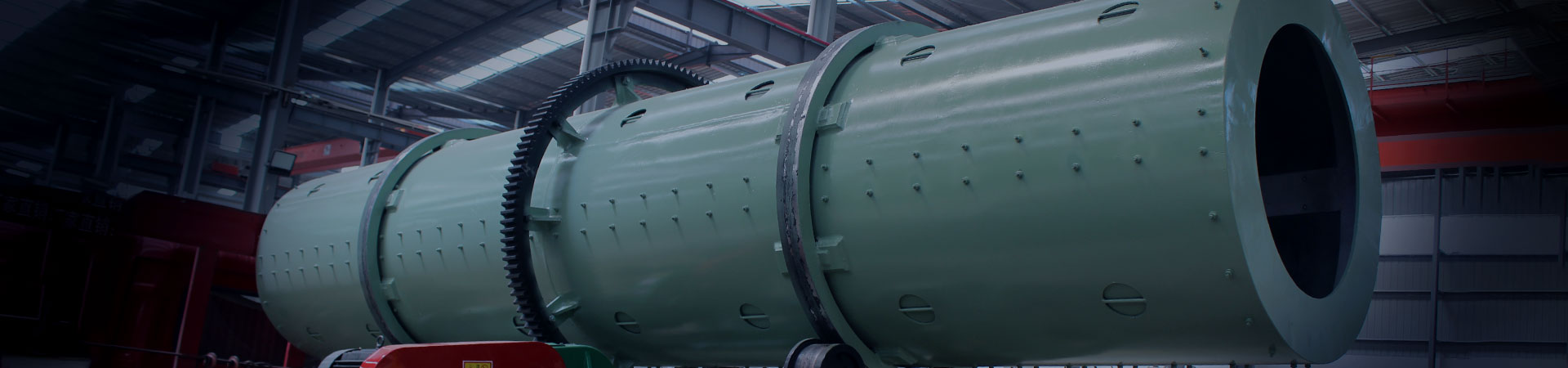
Organic waste is everywhere—crop straw, animal manure, food scraps, yard trimmings. For years, we called it trash. But trash is just raw material waiting for the right process. And at the heart of turning organic waste into valuable fertilizer stand two unsung heroes: the half-wet material crusher and the organic fertilizer disc granulator.
First, Break It Down: The Half-Wet Material Crusher
Here’s the problem organic fertilizer production line face every day: raw materials arrive in all shapes and sizes. Manure comes out clumpy. Straw arrives in long strands. Compost forms tough lumps that refuse to break apart. Feed these directly into a granulator, and you’ll get nothing but frustration.
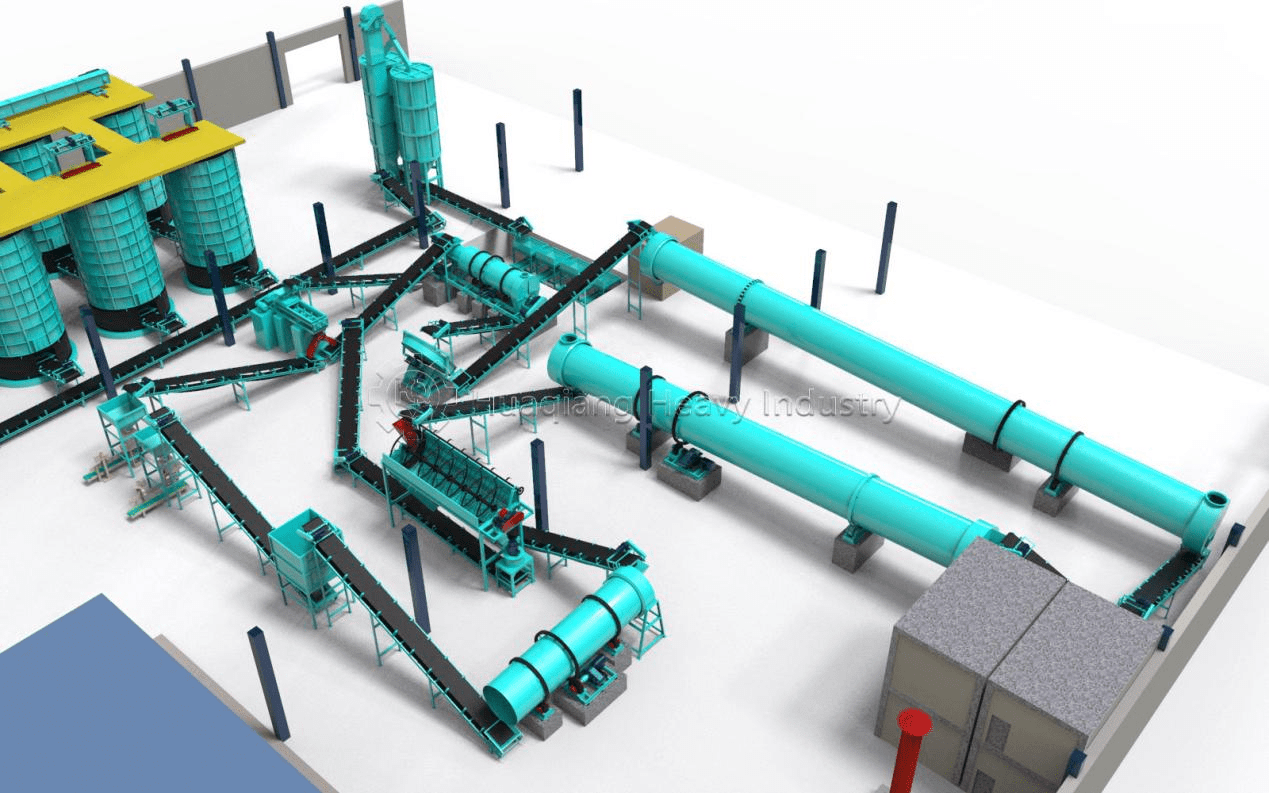
Enter the half-wet material crusher. This machine specializes in one thing: taking moist, sticky, fibrous organic materials and reducing them to a uniform size. Unlike traditional crushers that choke on wet feed, this one laughs at moisture content up to fifty percent.
How does it work? Inside the crushing chamber, rows of high-strength hammers or blades rotate at high speed, smashing incoming material against breaker plates. The design creates a dual-crushing action—material gets beaten from multiple angles until it’s fine enough to pass through the screen at the bottom. For extra-sticky materials, many models feature anti-clogging mechanisms that prevent buildup and keep production flowing.
The result? A consistent, fine powder ready for granulation. Particle size typically ranges from one to three millimeters, perfect for the next step.
Then Shape It: The Organic Fertilizer Disc Granulator
Once your material is crushed to a uniform powder, it’s time to give it shape. That’s where the organic fertilizer disc granulator takes over.
Picture a large, inclined pan—anywhere from one to three meters in diameter—rotating steadily on its axis. Powder fed into the pan gets caught up in the rotating motion, tumbling and rolling like snowflakes forming a snowball. As it rolls, fine particles collide and stick together, growing layer by layer into perfect spheres.
Here’s the magic: add a fine mist of water or binder, and the process accelerates. The rotating pan classifies the granules naturally—smaller particles stay in the pan longer, continuing to grow, while properly sized granules roll over the edge and out of the machine. No screens, no complicated mechanisms. Just physics doing what physics does best.
The disc angle and speed adjust easily, giving you control over granule size from one millimeter to six millimeters or more. Want smaller granules? Tilt the pan steeper. Want larger ones? Slow the rotation and reduce the angle.
Why They Work So Well Together
The half-wet material crusher and disc granulator form a perfect partnership. The crusher prepares the material, breaking down tough fibers and lumps so the granulator can work efficiently. Without proper crushing, the disc granulator would struggle with inconsistent feed, producing irregular granules or blinding over with sticky clumps.
Together, they handle the full range of organic materials:
Fermented manure from chickens, cows, or pigs
Composted crop residues like straw or corn stalks
Municipal green waste and food scraps
Industrial organic byproducts like mushroom residue or sugar mill waste
Peat, lignite, and other natural organic sources