

Walk into an organic fertilizer production yard on a working day, and you will hear it before you see it—the low rumble of rotating discs, the clatter of buckets lifting material, the soft whisper of screens sifting granules. But your eyes will find the disc granulator first. It sits at the heart of the operation, a shallow steel pan tilted at just the right angle, spinning steadily as it turns raw compost into uniform, round pellets. Yet the disc never works alone. Around it, a full line of equipment moves in rhythm, transforming piles of fermented waste into finished fertilizer ready for the field.
The process begins where the raw material arrives. Fermented organic waste—chicken manure, cow dung, crop straw, or mushroom residue—is fed into a half-wet material crusher. This machine is built for the messy stuff: high moisture, fibrous texture, and sticky consistency that would choke ordinary crushers. Inside, heavy-duty hammers smash and shred, reducing lumps and tearing apart fibers until the material becomes a uniform, manageable mass. From there, it moves to a horizontal mixer.
The mixer is where precision enters the picture. Measured amounts of nutrients, microbial inoculants, or binding agents are added and blended thoroughly. The paddles inside tumble the material again and again until every particle is evenly coated. This step is critical because the disc granulator that follows relies on uniform feeding to produce uniform granules. Without proper mixing, some pellets would be too dense, others too loose, and the whole batch would lack consistency.
Now the disc granulator takes center stage. The mixed material is fed onto the rotating pan, which is mounted on a sturdy frame with an adjustable tilt. As the disc turns, the material tumbles along the inner edge. Fine particles cling to each other, rolling into small balls that grow larger as they move with the rotation. A fine spray of water or binder solution is applied at just the right moment to encourage agglomeration without making the mass too wet. The operator watches the pan carefully, adjusting the speed and angle to control the size of the granules. What emerges from the edge of the disc is a cascade of moist, round pellets, ranging from two to six millimeters in diameter.
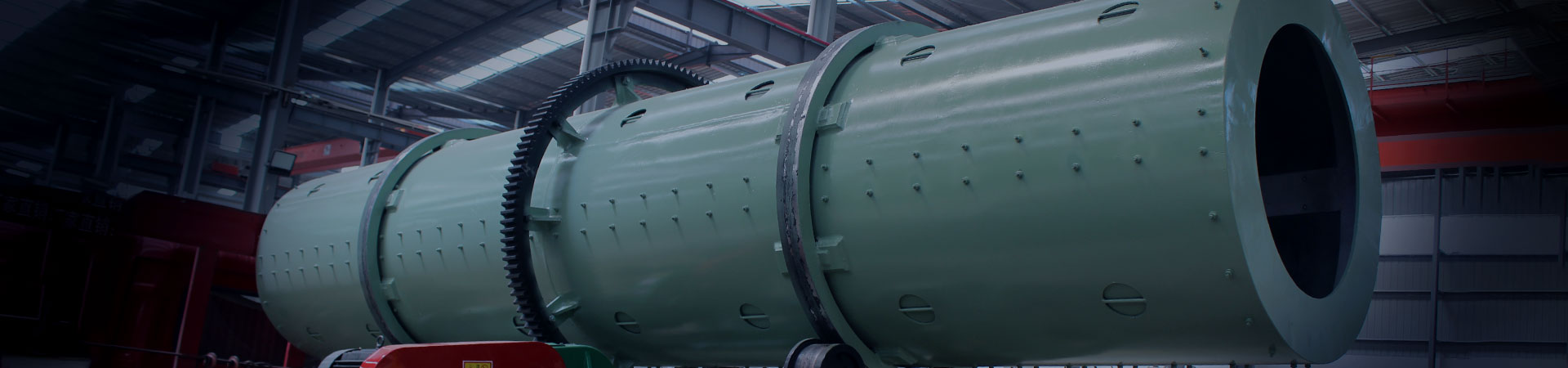
But wet pellets are not yet finished product. They flow into a rotary dryer, a long, gently sloping cylinder that rotates slowly while hot air passes through. Here, excess moisture is drawn out, and the granules gain the hardness they need for storage and transport. From the dryer, they move to a cooler, where ambient air reduces the temperature, preventing caking and preparing the material for the next stage.
A rotary screener machine then separates the granules into precise fractions. Pellets that meet the size specification roll on to the coating machine or directly to the packaging line. Oversized pieces are sent back to the crusher for another pass. Fine dust and undersized particles return to the disc granulator, where they serve as seed material for new granules. Nothing is wasted; the entire line operates in a closed loop.
For customers who demand a polished appearance or enhanced performance, a coating drum applies a thin layer of oil, wax, or functional powder. This step improves flowability, prevents clumping during storage, and can even add slow-release properties. Finally, an automatic packaging system fills bags, seals them, and stacks them on pallets, ready for shipment to farms, gardens, or retail shelves.
Throughout the job site, the disc granulator remains the visual anchor. Its steady rotation, the glistening pellets rolling off its edge, the fine mist of water catching the light—it is the moment where loose, shapeless material becomes something uniform, valuable, and ready for market. But the disc would be nothing without the equipment that feeds it, dries its output, screens its product, and packages its results. Together, they form a production line that turns waste into worth, one rotation at a time.