

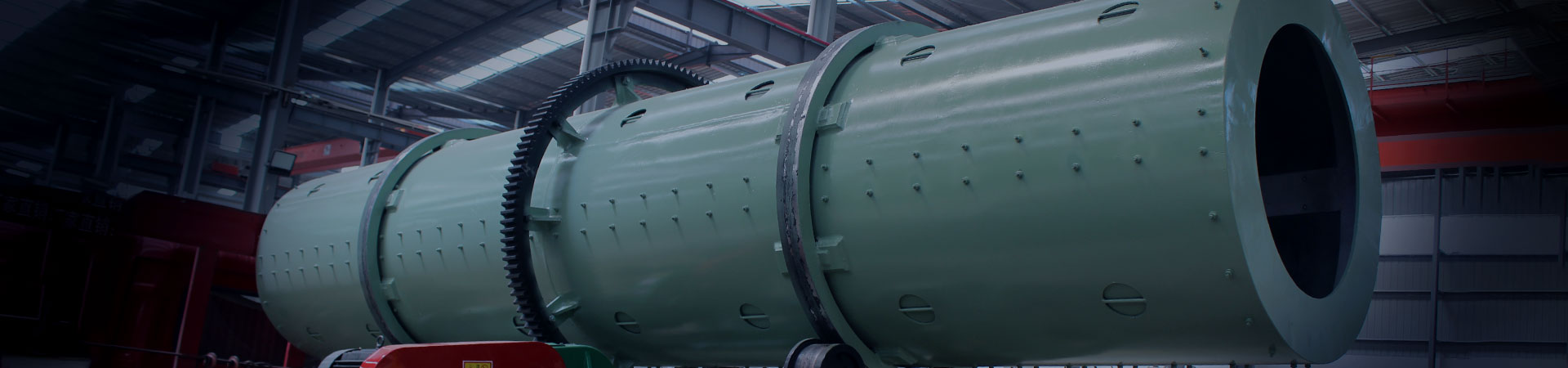
Walking into the installation site of an organic fertilizer production line, the first thing that catches your eye is not the usual belt conveyor or crusher, but a massive large wheel compost turner. Its steel wheel, nearly three meters in diameter, sits quietly astride the fermentation bay like a metal beast ready to pounce. Workers are busy installing hydraulic lines and travel motors – the clatter of wrenches, the beep of cranes, mixed with welding sparks in the distance, fills the entire workshop with a rhythm of hustle.
You might ask: can a wheel this big really turn over a mountain of poultry manure and crop straw? The answer is not only yes – it does so with finesse. The hub is studded with angled paddles; each rotation lifts, breaks up, and drops the material, much like a baker kneading dough, blending oxygen, moisture, and microbes evenly into every inch of the pile. Standing next to it, you can feel a deep, rhythmic vibration – thump, thump, thump – like the heartbeat of the earth.
Behind this giant wheel, other fertilizer equipment is taking shape. On the left, a chain fertilizer crusher has just had its anchor bolts tightened. On the right, a drum screener in striking orange-red is being adjusted for tilt angle by workers. Further ahead, the hopper of an automatic packing scale has been hoisted into place, waiting only for electrical connections. Though these machines lack the sheer visual impact of the turner, they are like the sections of an orchestra – crushing, screening, bagging – without any one of them, the music falls apart.
What leaves the deepest impression is the quiet synergy between the installers and this “giant wheel.” They don’t need to shout; a few hand gestures guide the crane to lower a two ton hub precisely into its bearing seats. An older technician squats on the floor, using a feeler gauge to check gear clearances over and over, murmuring, “If it’s off by a hair, this thing will start groaning down the road.” That obsession with tiny tolerances makes you realize: no matter how powerful the machine, it comes to life only through human hands and care.
As the late sun slants into the plant, the compost turner rotates slowly for the first time. The paddles scrape against the trough floor, producing a deep, steady grinding sound – not noise, but a declaration: this composting facility is about to turn waste into black gold. Standing amid the forest of equipment, I can’t help but marvel: who says industry is cold? Look at this giant wheel – every load it turns brings warmth back to the soil.