

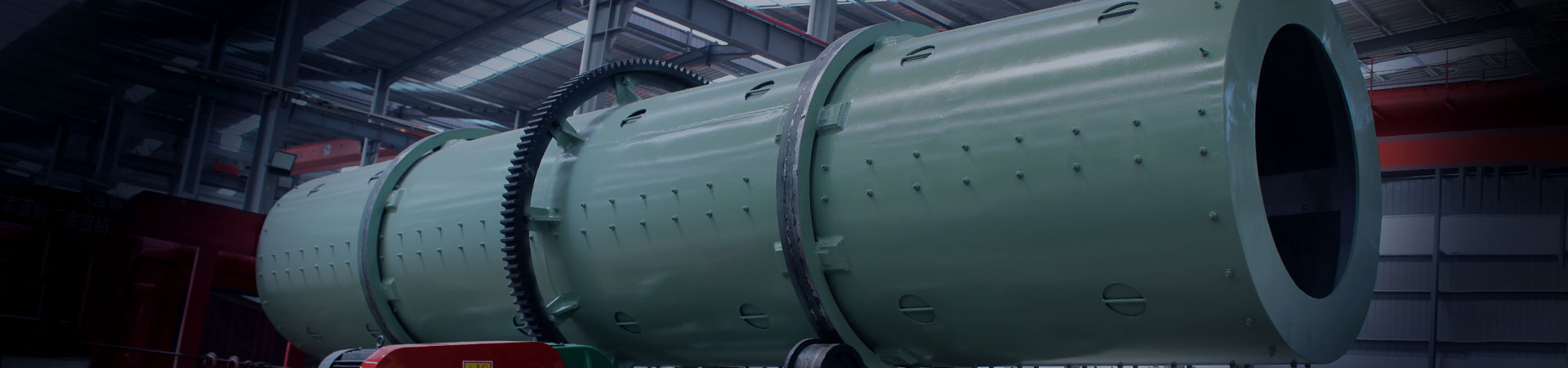
The key difference in choosing between disc and rotary drum granulators lies in two indicators: return rate and maximum capacity. Disc granulators have a significantly lower return rate than rotary drum granulators, making them suitable for small to medium-capacity projects sensitive to drying loads. Rotary drum granulators, on the other hand, have a higher single-unit throughput, making them suitable for continuous production lines of 10 t/h or higher. Understanding these two factors will largely determine the selection direction.
I. The Relationship Between Return Rate and Drying Energy Consumption
Return rate is the most easily underestimated cost variable in the granulation process. Unqualified granules and fine powders after screening need to be returned to the granulator for reprocessing. A higher return rate means that more material needs to be processed for the same finished product output, leading to a simultaneous increase in the load on the granulator, conveying equipment, and dryer.
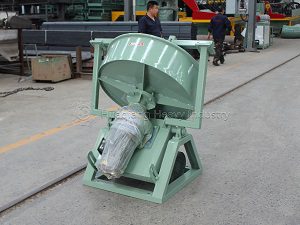
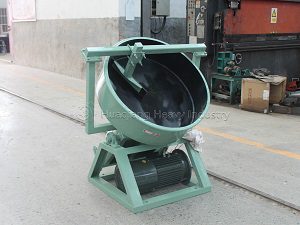
Disc granulators use inclined discs to roll and form pellets. The material stays in the disc for a longer time, the pelleting process is gentle, and the pellets gradually grow larger within the disc. Qualified pellets overflow from the edge of the disc, and the return rate is typically controlled at 20%-30%. Less return means less material entering the dryer, resulting in a lower drying load. For small to medium-sized production lines with an hourly output of 3-5 tons, this advantage directly translates to reduced drying energy consumption and a smaller dryer size.
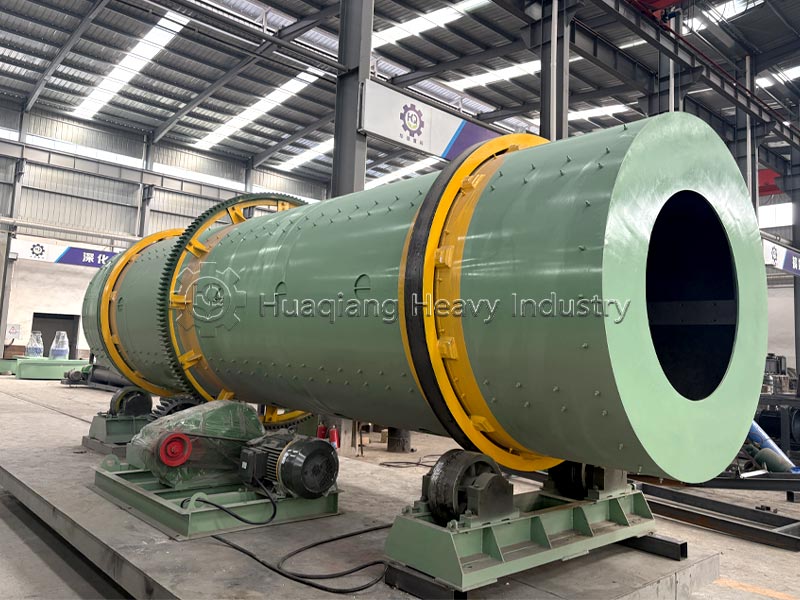
Drum granulators rely on the rotation of the drum to tumble and agglomerate the material. The material stays in the drum for a relatively short time, resulting in a lower single-batch pelleting qualification rate than disc granulators. The return rate is typically 30%-40%. Increased return requires the dryer to process more circulating material, leading to a simultaneous increase in heat and electricity consumption. Therefore, for projects sensitive to drying load and with a high proportion of energy costs, the overall energy consumption of the disc granulator route is more controllable.
II. Comparison of Capacity Limits
Capacity is another watershed. Disc granulators typically have a single-unit hourly output of 1-5 tons. Larger disc diameters result in higher capacity, but the capacity is limited by the disc structure and material scattering radius. Parallel operation of multiple units can expand production, but this increases the required floor space, labor, and synchronization control complexity.
Drum granulators, on the other hand, can achieve an hourly output of 8-15 tons, with larger models reaching 20-30 tons. The cylinder diameter and length can be linearly scaled up according to capacity, making them suitable for continuous production lines exceeding 10 t/h. For large-scale projects with an annual output of over 50,000 tons, the single-unit throughput and continuous operational stability of drum granulators are unmatched by disc granulators.
III. Pellet Sphericity and Strength
In terms of pellet quality, disc granulators produce pellets with high sphericity and a smooth surface, resulting in a better appearance, suitable for the commercial fertilizer market where pellet appearance is important. Pellet strength is moderate, meeting standard packaging and transportation requirements. Rotary drum granulators produce higher strength and density pellets with better breakage resistance, making them suitable for long-distance transportation and mechanized fertilization. However, their sphericity is slightly inferior to disc granulators, and the pellet surface is relatively rougher.
IV. FAQ: Can disc granulators be expanded?
Yes, but with conditions. There are two main paths to expanding the production capacity of disc granulators: First, increase the number of discs and operate them in parallel, suitable for projects with a capacity requirement of 5-10 tons/hour. The disadvantage is increased land occupation and labor costs. Second, use disc granulators as pre-pelleting equipment, and connect them in series with rotary drum granulators for shaping and increasing production, forming a combined line of “disc pre-pelleting + rotary drum shaping,” balancing return material control and capacity limits. If the target capacity exceeds 10 tons/hour and continuous stable operation is required, directly using a rotary drum granulator or a combination scheme with rotary drum as the main component and disc granulators as a supplement is more prudent.
In summary, disc granulators excel in low return material rate, low drying load, and good granule appearance, making them suitable for small to medium production capacity and energy-sensitive projects. Drum granulators, on the other hand, excel in high single-machine capacity and high granule strength, making them suitable for continuous production of 10 t/h or more. When selecting a model, first calculate the drying energy consumption resulting from the return material rate, then compare it with the upper limit of production capacity, and the answer will become clear.