

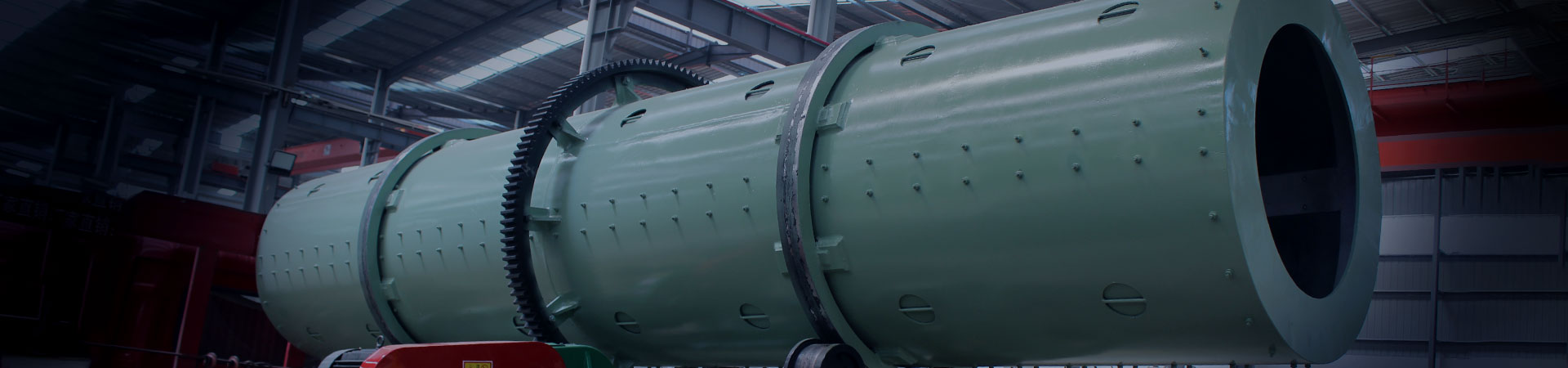
Watch closely. There’s a moment, just before a granule is born, when everything hangs in perfect balance. The powder tumbles. The mist falls. And somewhere in that chaotic swirl, a tiny seed decides to grow.
This is the disc granulator. And it’s about to change how you think about fertilizer.
What Most People Never See
Here’s a secret the bag labels don’t tell you: before those perfect little spheres reached your field, they were just dust. Literal dust. The kind that coats your boots and catches in your throat. The kind that blows away on the slightest breeze.
But dust doesn’t sell. Dust doesn’t spread. Dust doesn’t make farmers smile.
The Machine That Thinks It’s a Pottery Wheel
Picture a shallow pan, tilted like a dinner plate that’s slipped off-center. Now set it spinning—slowly, deliberately, like a potter coaxing clay into shape. Feed powdered compost onto that spinning surface, and something almost magical begins.
The powder doesn’t just sit there. It moves. It rolls. It gathers itself into tiny balls that grow larger with every revolution. Layer by layer, particle by particle, the granules build themselves.
And here’s the beautiful part: the machine never touches them. No dies. No presses. No squeezing or forcing. Just the gentle persuasion of spin and gravity.
Why Round Wins Every Time
I watched a farmer once, standing in front of two pallets. Same fertilizer. Same price. Same everything—except one was powder and one was granules.
He picked up a handful of granules, let them run through his fingers, and nodded. “These,” he said. “I’ll take these.”
Why? Because round feels right. Round says “manufactured” instead of “dumped.” Round promises to flow through his spreader without clogging, to land evenly across his field, to do what he needs it to do.
That moment, right there, is why disc granulation exists.
The Line Before the Disc
Of course, the disc can’t work miracles. Feed it junk, and it will happily produce junk granules—misshapen, inconsistent, disappointing.
So before the disc gets its chance, other machines do their work. A chain fertilizer crusher reduces everything to powder fine enough to dance. A screener separates the ready from the not-ready. Sometimes a vertical disc mixer blends in extras—microbes, minerals, the secret ingredients that make one fertilizer different from another.
By the time material reaches the disc, it’s prepared. It’s waiting. It’s ready to become something more.
The Dance Itself
Now watch the disc work.
Material feeds onto the spinning surface and immediately begins to move—up the sloping edge, across the face, down again in a continuous cycle that never stops. A fine mist sprays from above, just enough moisture to make particles sticky without turning everything to mud.
In the first few seconds, seeds form. Tiny nuclei, barely visible, that will become the heart of each granule. Round and round they go, accumulating layer after layer, growing like snowballs rolling downhill.
The operator watches with an experienced eye. Too wet, and everything turns to sludge. Too dry, and nothing sticks. The angle of the disc, the speed of rotation, the rate of feed—all these variables dance together, and the operator leads.
When granules reach the perfect size, they migrate to the edge and spill over. Born. Complete. Ready for what comes next.