

What Comes Next
Fresh granules are tender. A careless touch would crush them. So the rest of the line handles them gently.
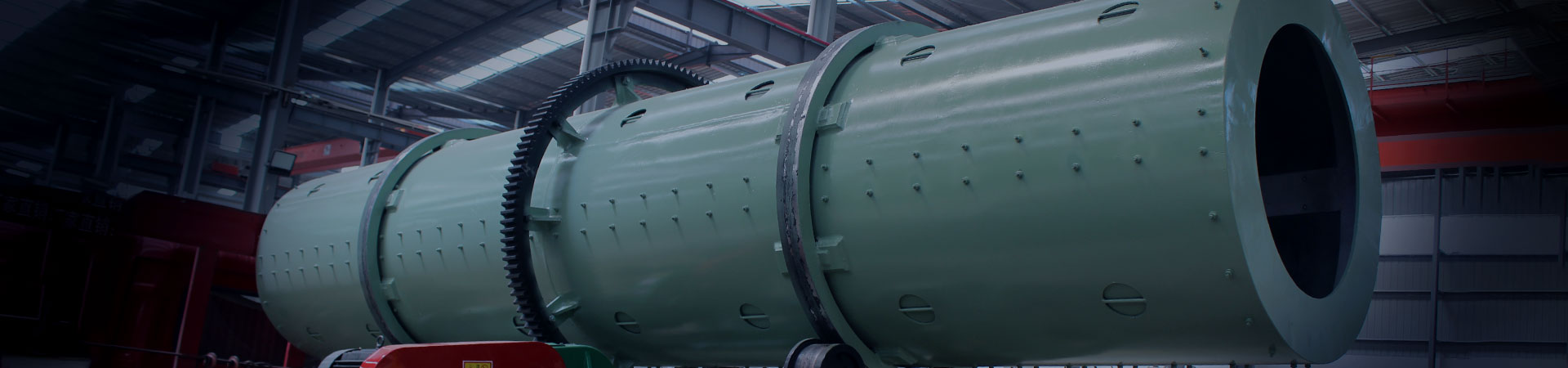
A drum fertilizer dryer blows warm air across the tumbling spheres, firming them up, locking in their shape. A cooler brings them back to earth temperature. A screener separates the stars from the also-rans—perfect granules move forward, oversize gets crushed and recycled, undersize goes back to the disc for another chance.
Sometimes a coater adds a final touch, a protective layer that keeps granules from caking in the bag, that gives them a professional polish, that might even carry extra benefits to the field.
Then the bags fill. The pallets wrap. The trucks roll.
And somewhere, months later, a farmer pours those perfect spheres into their spreader and watches them arc across the field, each one carrying nutrients that started as waste.
The People Behind the Spin
Talk to the folks who run these lines, and you’ll hear something unexpected. They talk about their machines like partners. Like living things.
“She’s particular about moisture,” one operator told me, patting the frame of his disc. “Feed her right, and she’ll run all day without complaint. Get it wrong, and she lets you know.”
Another described the sound—how the disc has a rhythm when it’s running well, a kind of music that tells you everything is in balance. “When that rhythm changes, I know before any alarm goes off. I can hear it in my sleep.”
This is the thing about disc granulation. It’s simple enough to understand, deep enough to spend a lifetime mastering. The machine does the work, but the human provides the soul.
Small Magic, Big Impact
A single disc granulator isn’t huge. It doesn’t roar like a crusher or rumble like a dryer. It just spins, quietly, persistently, turning powder into pearls.
But that small magic adds up. A line running at capacity can produce tons of granules every hour. Tons of product that farmers will pay premium prices for. Tons of waste transformed into wealth.
And here’s the part that matters most: those granules rebuild soil. They return organic matter to land that’s been starved of it. They feed microbes that feed crops. They close loops that industrial agriculture broke open.
The Granule’s Journey
Think about it from the granule’s perspective. It starts as waste—manure from a chicken house, straw from a harvested field, scraps from a kitchen. Things someone wanted to get rid of.
Then fermentation transforms it. Microbes eat their fill, heat rises, pathogens die. What emerges is compost—dark, crumbly, alive with beneficial life.
But windrow composting machine alone isn’t product. Not yet.
So it travels to the disc. It learns to roll, to gather itself, to become round. It spins for minutes or hours, growing layer by layer until it reaches the perfect size.
Then drying. Cooling. Screening. Coating. Bagging.
And finally, a farmer’s hand closes around it, feeling its weight, its smoothness, its promise. The granule arcs across a field, lands in soil, and begins its final transformation—feeding life from what was once discarded.