

Raw materials in fertilizer production often contain acidic substances (such as humic acid and phosphoric acid), salts (such as potassium chloride and ammonium sulfate), and moisture, all of which are highly corrosive to metal equipment. Equipment rusting not only shortens service life and increases maintenance costs but can also lead to rust contamination in the finished product, compromising quality. Systematic anti-corrosion strategies are outlined below:
Material Selection for Rust Prevention:
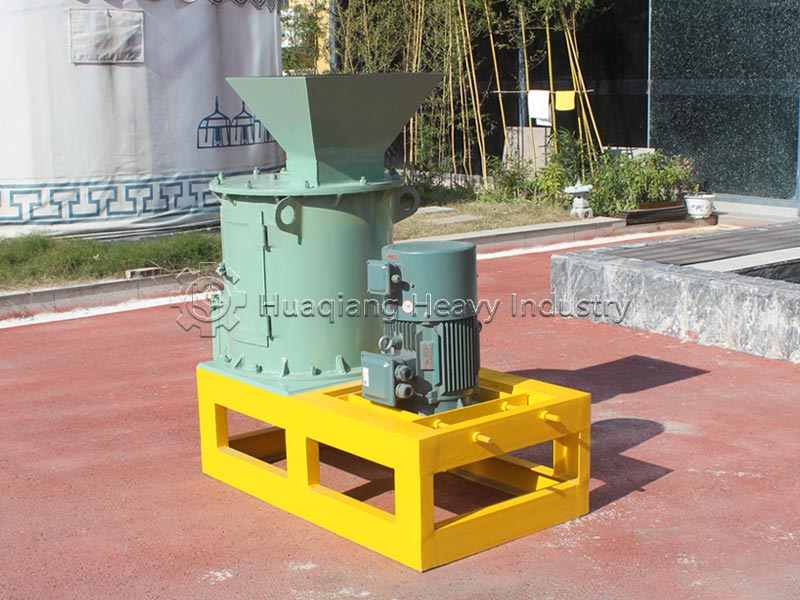
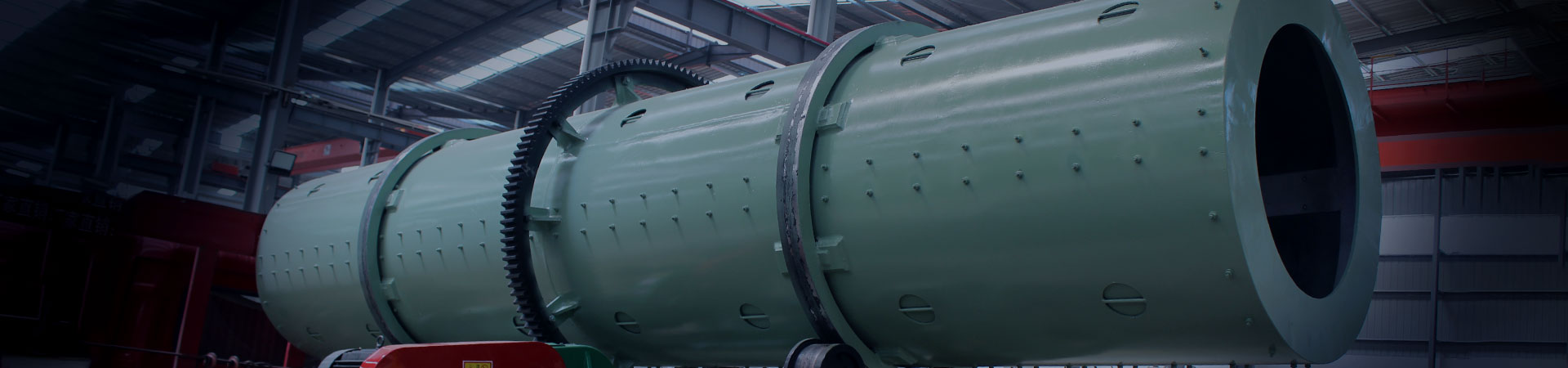
For components in direct contact with wet materials (such as the hammer heads of half-wet material crushers, the paddles of horizontal fertilizer mixers, and the pan surface of disc granulators), 304 or 316L stainless steel is recommended; these materials offer far superior resistance to chloride ions and acidic corrosion compared to ordinary carbon steel. For large components where stainless steel cannot be used entirely (such as the shell of a rotary drum granulator), the inner walls can be lined with wear-resistant, corrosion-resistant rubber sheets or high-molecular-weight polyethylene (UHMW-PE) liners (thickness ≥10mm) to prevent corrosion and reduce material adhesion.
Process-Based Protection:
During the granulation process, when using a double-roller press granulator, the roller surfaces can undergo hard-facing (carbide overlay) or nitriding treatments to form a dense, hardened layer that provides both wear and corrosion resistance. For the feed/discharge ends and lifting flights of drum fertilizer dryers, hot-dip galvanizing or the application of high-temperature resistant epoxy resin coatings is recommended; these methods withstand temperatures up to 200°C while isolating the metal from corrosive agents.
Routine Maintenance:
After each production shift, material adhering to equipment surfaces must be thoroughly cleaned off using high-pressure water jets or compressed air, paying special attention to “dead zones” (such as flange connections and gaps in bearing housings). After cleaning, apply anti-rust grease to all exposed metal surfaces (support rollers, guide rails, bolts). For equipment that will be idle for extended periods, place desiccants inside or circulate hot air for dehumidification, and run the machine for 10–15 minutes once a month to prevent bearings from rusting and seizing. In addition, the workshop environment requires control: ensure good ventilation and install dehumidification equipment to maintain relative humidity below 60%. Storage areas for highly corrosive raw materials—such as phosphoric acid and potassium chloride—should be enclosed in separate, isolated rooms featuring acid-resistant flooring. It is recommended to establish anti-corrosion records for all equipment, documenting coating conditions, rust levels, and repair history; conduct comprehensive quarterly assessments; and replace severely corroded components proactively to prevent unexpected downtime caused by equipment failure.