
In a comprehensive organic fertilizer production line, the aging and composting process is the core stage determining the final fertilizer efficacy; the actual execution and efficiency of this stage rely on continuously evolving, specialized equipment. If insufficiently composted organic fertilizer is applied directly to the soil, most of its nutrients exist in slow-release forms that crops cannot immediately absorb. Furthermore, during decomposition, the material may compete with seedlings for moisture and nutrients or cause “seedling burn” due to localized high temperatures and excessive ammonia concentrations; additionally, the spread of weed seeds, pathogens, and pest eggs poses secondary risks. The value of the aging and composting process lies in driving organic matter decomposition through microbial activity, converting slow-release nutrients into readily available forms, creating a loose and uniform material texture, and eliminating harmful organisms through sustained high temperatures. However, the efficiency and completeness of these biochemical reactions depend heavily on the precise control of parameters such as oxygen levels, temperature, and moisture—areas where the aging and composting equipment within the production line plays a pivotal role.
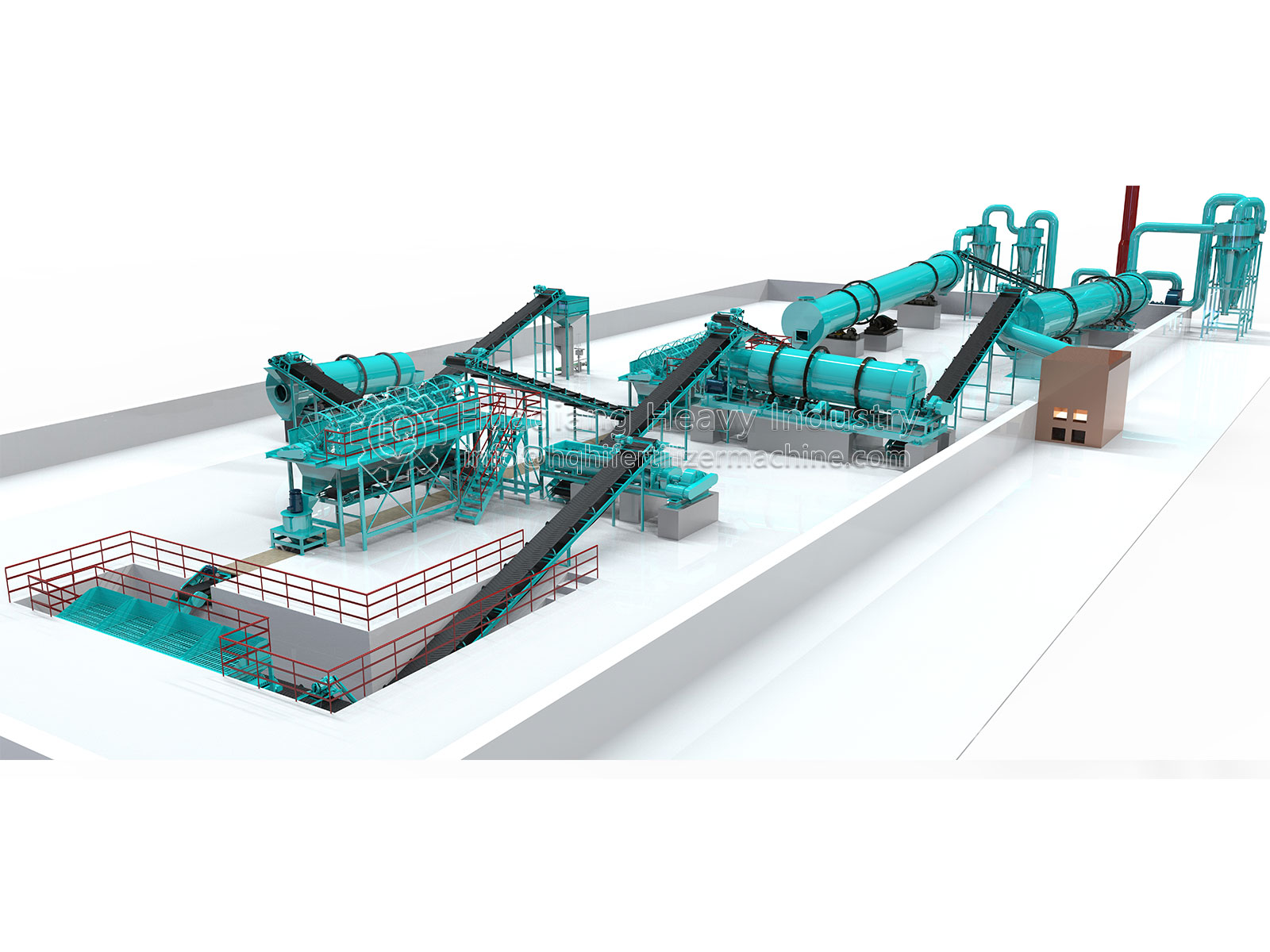
Aging and composting equipment in modern organic fertilizer production lines has evolved from simple stockpiling methods into integrated systems combining turning, aeration, and temperature control. Take the large-diameter disc-type compost turner as an example: its drum features counter-rotating spiral sections on the left and right, with straight throwing tines in the center. As it rotates, it not only gathers the windrowed material toward the middle but also thoroughly mixes the top-layer and inner materials by throwing them backward, raising the oxygen concentration within the pile to 18.5% after the turning operation. This forced oxygen supply directly stimulates the metabolic activity of aerobic microorganisms; aerobic bacteria first decompose readily degradable organic matter, releasing nutrients and generating heat that raises the pile temperature above 55°C, while this temperature rise, in turn, accelerates the inactivation of pathogens and weed seeds. More advanced integrated aging systems feature a vertical arrangement of the premixing, fermentation, and aging chambers on a single fixed frame. Through the synergistic operation of agitation and aeration components, these systems facilitate the continuous flow of material and precise control of processing conditions across the production line stages; this design significantly reduces the equipment’s footprint while ensuring uniform decomposition.
The aging and composting process is the hub connecting all sections of the entire organic fertilizer production line, and specialized organic fertilizer equipment is the solid pillar that ensures the efficient operation of this hub. Without the precise empowerment of the equipment, composting will be difficult to be thorough, fertilizer effect will be out of the question, and the value of the entire production line will be difficult to realize in the end.