

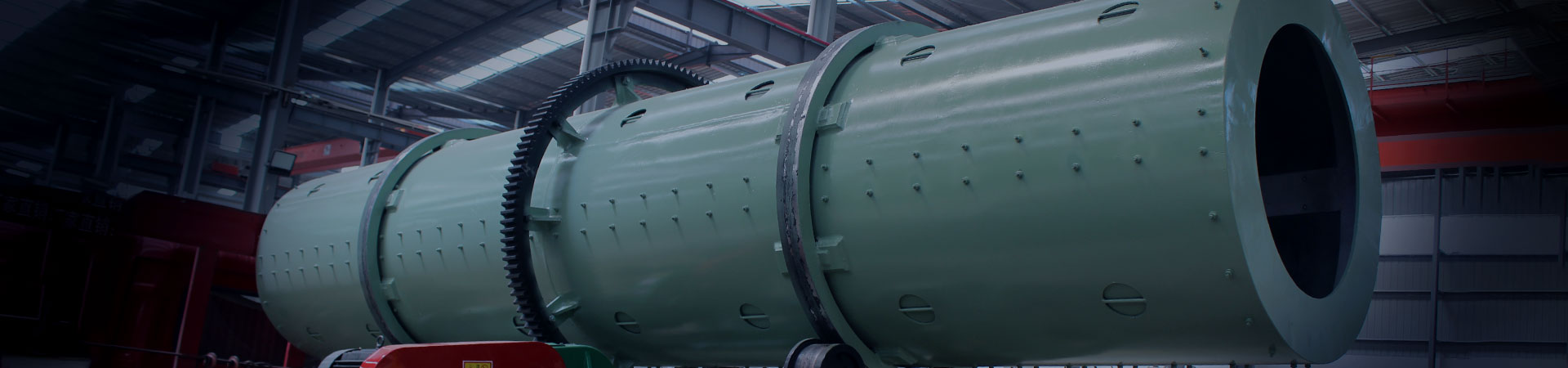
Moisture is one of the most critical process parameters in granulation, directly influencing the pelletization rate, granule strength, drying energy consumption, and the storage stability of the final product. Requirements for raw material moisture vary significantly depending on the granulation method:
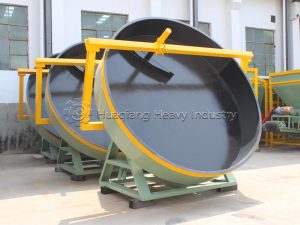
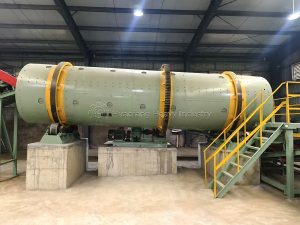
Drum and Disc Granulation: These are wet granulation processes that rely on moisture and cohesive forces to agglomerate fine powder materials into pellets. The ideal moisture content for raw materials is typically controlled between 28% and 35%. If moisture is too low (<20%), materials fail to bind effectively, resulting in a low pelletization rate and a large volume of fine material requiring recirculation. Conversely, if moisture is too high (>40%), granules tend to clump together into large masses, and the subsequent drying load increases sharply, driving up fuel costs. For these processes, we recommend installing an online moisture analyzer upstream of the mixer to adjust water or dry material additions in real-time, ensuring that fluctuations in input moisture remain within ±2%.

Roller Compaction (Extrusion) Granulation: This is a dry granulation process requiring low material moisture (5%–12%). Excessive moisture causes material to adhere to the roller surfaces—a phenomenon known as “roller fouling”—leading to accelerated roller wear and resulting in rough or cracked granule surfaces. If the raw material has a naturally high moisture content, pre-drying using a rotary drum dryer or flash dryer is necessary.
In actual production, it is advisable to flexibly combine semi-wet material crushers and horizontal mixers based on the initial moisture content of the raw materials. By adding auxiliary materials (such as straw powder or humic acid) or adjusting water input, the overall moisture content of the mixture can be precisely regulated to ensure stable and efficient granulation operations.