
In the sector of agricultural input production, the systematic configuration of fertilizer processing equipment forms the technical framework for transforming raw materials into commercial products; the logic behind equipment selection and production line layout directly dictates both the initial investment scale and long-term operational profitability. A review of thousands of operational fertilizer production lines—both domestic and international—reveals a significant pattern: even if individual machines perform exceptionally well, a lack of proper upstream-downstream matching and flow balance often results in actual output falling far short of theoretical design capacity—a phenomenon particularly common in newly commissioned projects. Therefore, shifting the perspective from individual units to the entire industrial chain—while holistically considering the integration and buffering between process stages—is the key to achieving target production capacities and quality standards.

For organic fertilizer projects utilizing livestock manure, crop straw, or municipal sludge, the configuration of pre-treatment equipment requires particular care. Raw materials characterized by high moisture content and viscosity must undergo thorough aerobic fermentation via windrow turners prior to granulation to reduce moisture and break down fibrous structures. This is followed by coarse crushing using a half-wet material crusher and subsequent fine crushing (to a fineness exceeding 80 mesh) via a cage crusher; incorporating a high-torque horizontal mixer during the blending stage effectively resolves issues related to material stratification caused by varying specific gravities.
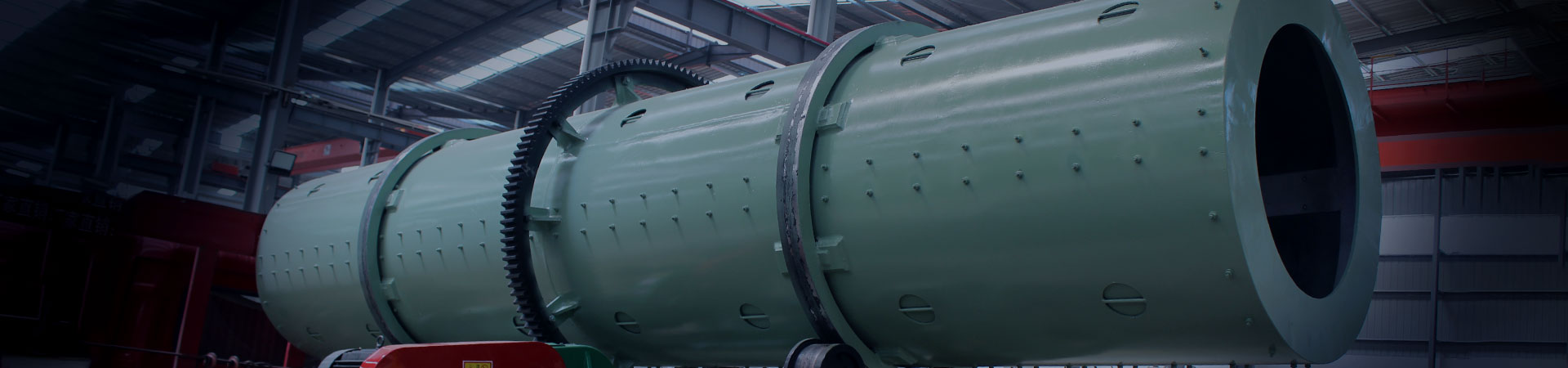
In contrast, for NPK compound fertilizer lines—where raw material physical properties are relatively stable—challenges center on formulation adaptability during granulation and the precise control of screening and material recirculation ratios. While rotary drum granulators are the mainstream choice due to their high capacity, roller extrusion granulators offer unique value in energy conservation and consumption reduction, as they eliminate the need for drying. Post-granulation, wet granules must pass through a rotary dryer to rapidly reduce moisture content from 12–15% to below 3%, followed by a cooling stage to bring temperatures close to ambient levels; any discrepancies in the thermal calculations for this drying-cooling sequence can directly result in insufficient granule strength or caking during storage.
In the screening stage—which serves as the final quality control checkpoint for the finished product—trommel screens are widely used in organic fertilizer production lines due to their excellent adaptability to moist materials, whereas vibrating screens dominate the NPK compound fertilizer sector thanks to their high-precision classification capabilities. At the end of the line, the selection of an automatic packaging machine requires a comprehensive assessment of bag type, weighing accuracy, and palletizing methods; a high-speed dual-scale packaging machine paired with an automatic bag-sewing system can achieve a throughput exceeding 800 bags per hour. During the planning of the entire line, the value of auxiliary equipment is often underestimated; in reality, factors such as the incline angle of belt conveyors, the bucket spacing of bucket elevators, and the buffer capacity of storage hoppers profoundly influence the stability of the production line’s continuous operation.