
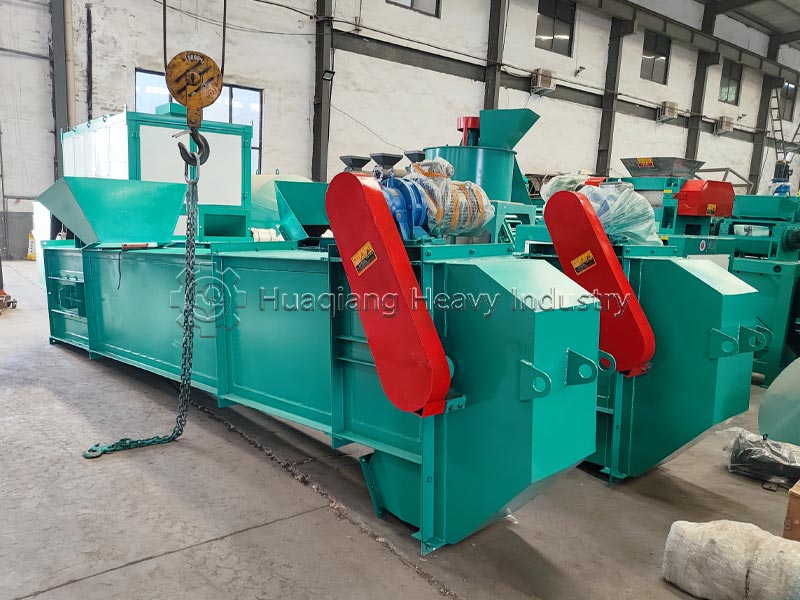
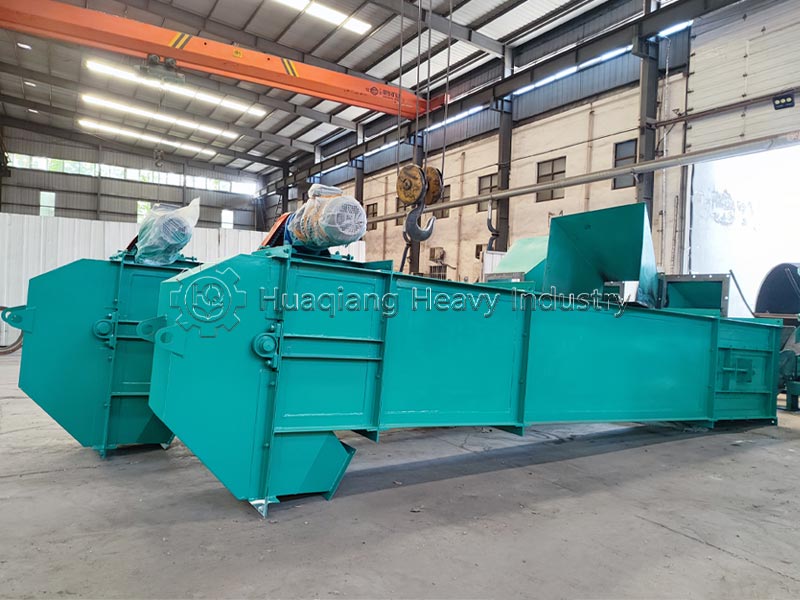
Bucket elevators are core equipment for the vertical conveying of powdered and granular materials in fertilizer plants. Chain breakage is the most common and serious malfunction of bucket elevators—causing downtime of several hours, damage to buckets, tearing of belts, and even paralysis of the entire production line. This article provides a systematic solution from fault diagnosis and preventive measures to daily maintenance.
Fault Diagnosis Tree
Chain breakage does not occur without warning; 90% of chain breakage accidents can be detected through early investigation. The following is a fault diagnosis path based on production field experience:
Physical Wear (accounting for over 60% of chain breakage accidents): During operation, the chain continuously rubs against the guide rails and sprockets, causing the pins and bushings to gradually wear and the clearance to increase. When the chain pitch elongates beyond 2%-3% of its original length due to wear, the sprocket meshing becomes abnormal, and stress concentrates at the weakest point, leading to breakage. Investigation Method: Measure the chain length monthly; if the cumulative elongation exceeds 3%, replace the chain immediately. Inspect the sprocket teeth – if the teeth are worn into a “hook” shape or the tooth thickness is reduced by 1/3, the sprocket must be replaced immediately.
Overload and Impact: Large lumps or hard debris (such as stones or iron filings) mixed in with fertilizer materials can cause momentary overload by jamming the bucket at the feed inlet. Frequent heavy-load starts or sudden stops can cause the chain to bear dynamic loads 3-5 times the normal operating load. Troubleshooting: Check for obvious tensile deformation (overload characteristic) at the fracture site; check for signs of jamming at the feed inlet.
Fatigue and Installation: Long-term high-load operation causes the chain material to reach its fatigue limit, resulting in microcracks that gradually propagate. Overly tight chains during installation increase additional dynamic loads, while loose chains cause chain skipping. Troubleshooting: Check if the fracture surface is a fatigue fracture (with obvious shell-like patterns); check the tensioning device – the chain should have an appropriate sag of 20-50mm during normal operation.
Corrosion and Lubrication Issues: The humid ammonia environment of fertilizer plants accelerates chain corrosion. Prolonged lack of lubrication leads to dry friction and overheating of the pins, resulting in decreased surface hardness and even annealing softening. Troubleshooting Method: Inspect broken pins for rust or bluish-purple discoloration caused by high temperatures.
Preventive Maintenance Checklist
Daily Pre-Start Inspection (5 minutes)
Listen to operating sounds: Are there any periodic impact noises?
Check bucket condition: Is there any obvious deformation or detachment?
Check chain tension: Is the sag appropriate when pressed with a finger?
Weekly Key Maintenance
Add lithium-based grease to all lubrication points
Check all bucket bolts for looseness and tighten them.
Clean up accumulated material at the tail end to prevent backflow from jamming the buckets.
Check the wear of the head wheel and bottom wheel.
Monthly In-Depth Inspection
With the machine stopped, pull the chain by hand to feel for any “jamming” links.
Measure the total chain length and calculate the elongation rate.
Check the wear of the guide rails and guide wheels.
Quarterly Systematic Overhaul
Assess the wear condition of the chain and sprockets and plan for replacement parts.
Check the quality of the reducer lubricating oil and replace it if necessary.
Verify the verticality and parallelism of the hoist.
The bucket elevator’s chain is the lifeline of vertical material transport in any fertilizer plant—its reliability directly affects the uptime of every downstream process. While the fertilizer granulator machine (whether a organic fertilizer disc granulator in a disc granulation production line or a rotary drum unit), the fertilizer crusher and mixer, fertilizer dryer and cooler, fertilizer screening equipment, and the automatic fertilizer packing machine all contribute to product quality, they all depend on a steady, uninterrupted feed from the elevator. A single chain breakage can idle the entire fertilizer equipment train for hours, causing lost production and costly rework. Implementing a rigorous daily‑weekly‑monthly inspection protocol—measuring chain elongation, inspecting sprocket wear, maintaining proper tension, and ensuring synchronous chain‑sprocket replacement—can reduce breakage incidents by over 80%. While the industrial fertilizer machine price may tempt operators to postpone maintenance or opt for cheaper chains, the long‑term cost of unplanned downtime—lost output, damaged buckets, and labor for repairs—far outweighs the upfront savings. Investing in high‑quality chains, scheduled lubrication, and timely wear‑part replacement is not an expense; it is a strategic decision that protects the entire production line’s efficiency and profitability. Remember: the most economical repair is the one that prevents the breakage from happening in the first place—keeping your elevator running smoothly means keeping your entire fertilizer production line running profitably.
III. Frequently Asked Questions and Expert Answers (FAQ)
Q: How often should the chain be replaced when the hoist is running?
A: Under normal circumstances, the chain’s service life is 2-4 years. When the cumulative elongation exceeds 3%, the chain must be replaced; the sprocket should also be replaced, otherwise the new chain will wear out faster.
Q: Why does the chain still break frequently after replacement?
A: This is usually because the sprockets were not replaced synchronously. Mismatched wear on the teeth of the old and new sprockets leads to excessive contact stress on the new chain, causing it to break again within a few months.
Q: Does damp material worsen chain breakage?
A: Yes. Damp material not only increases the load on the bucket, but its acidic components also accelerate chain corrosion. It is recommended to install a dehumidifier or pre-drying device at the feed inlet and to use a stainless steel chain.
Summary: The key to preventing chain breakage is early detection and early intervention. Strictly implementing a daily, weekly, and monthly three-level inspection system, maintaining proper chain tension and good lubrication, and ensuring synchronous replacement of the chain and sprockets can reduce the chain breakage rate by more than 80%. Remember: The most economical repair is before the chain breaks.