

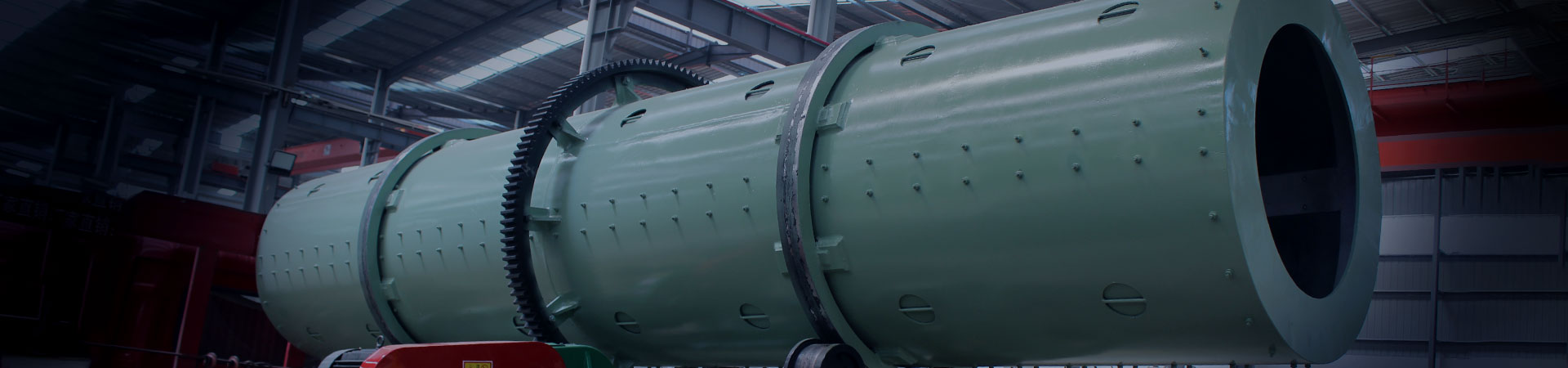
Chicken manure turning machines are core equipment in the production of chicken manure organic fertilizer. However, their operating environment is constantly exposed to high concentrations of ammonia. Ammonia produced during chicken manure fermentation combines with moisture to form an alkaline corrosive medium, continuously eroding the metal parts of the equipment, leading to rust and damage to tracks, blades, etc., shortening lifespan and increasing maintenance costs. The corrosion in high ammonia environments is insidious and persistent, and ordinary coatings are difficult to resist, easily resulting in peeling, blistering, and subsequently pitting and crevice corrosion, which can severely disrupt production. Proper corrosion prevention maintenance is crucial for ensuring stable equipment operation.
Fault Prevention Checklist: Daily, Weekly, and Monthly Three-Level Inspections
Daily Inspection (after 10 hours of operation): Check all connecting bolts, nuts, and drain plugs for looseness; check all pins and cotter pins for damage and replace them promptly; after shutdown, clean the turning machine of any adhering dirt, especially residual material on the chassis.
Weekly Inspection: Check the tension of the drive chain and adjust as needed; check for peeling of the protective paint and reapply if necessary; check the lubrication of bearings in all moving parts.
Monthly Inspection: Check for missing or damaged blades and loose bolts; check the hydraulic system oil level and pipeline sealing; thoroughly inspect the metal surfaces of the equipment for rust or corrosion.
Material Selection and Anti-corrosion Coating
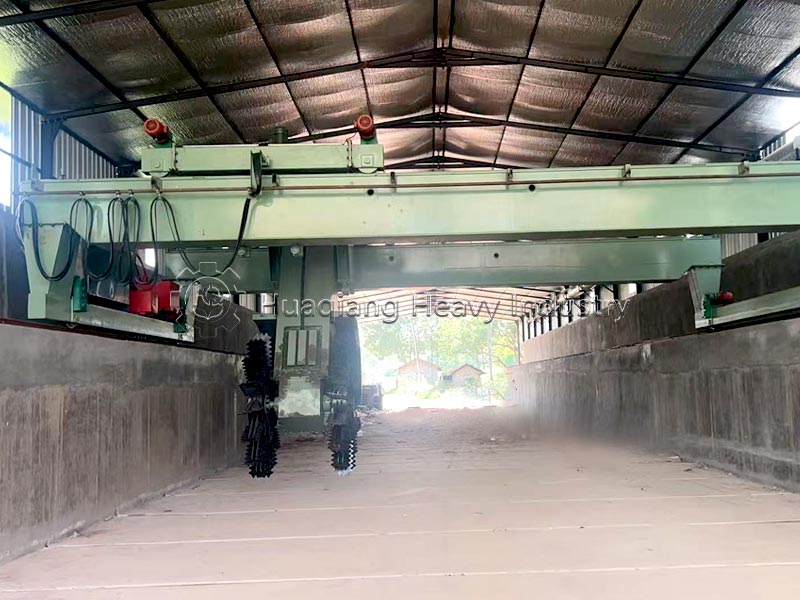
Stainless Steel Material: For key components in contact with materials, such as the turning drum and stirring blades, 304 or 316 stainless steel is recommended. 316 stainless steel contains molybdenum, which significantly improves corrosion resistance in humid environments containing chloride ions compared to ordinary steel. Structural components such as the lifting platform of the turning machine can be protected with stainless steel plates. Although stainless steel turning machines are more expensive, they are more durable and significantly extend the equipment’s service life.
Anti-corrosion Coating: For carbon steel components, a combination of epoxy primer and polyurea topcoat is recommended. Epoxy primer has strong adhesion and excellent alkali resistance; polyurea topcoat is weather-resistant, wear-resistant, and corrosion-resistant, resisting ammonia erosion and material friction. Polishing machines with sprayed anti-corrosion coatings can effectively slow down corrosion in high-temperature and high-humidity environments.
Construction Specifications: Sandblasting to Sa2.5 grade to improve coating adhesion; primer curing at room temperature for at least 24 hours; topcoat high-pressure airless spraying, applied in two coats, with a thickness controlled at 120-160μm; the construction environment must be controlled at temperature 5-35℃ and humidity ≤85%.
Seasonal Maintenance Plan
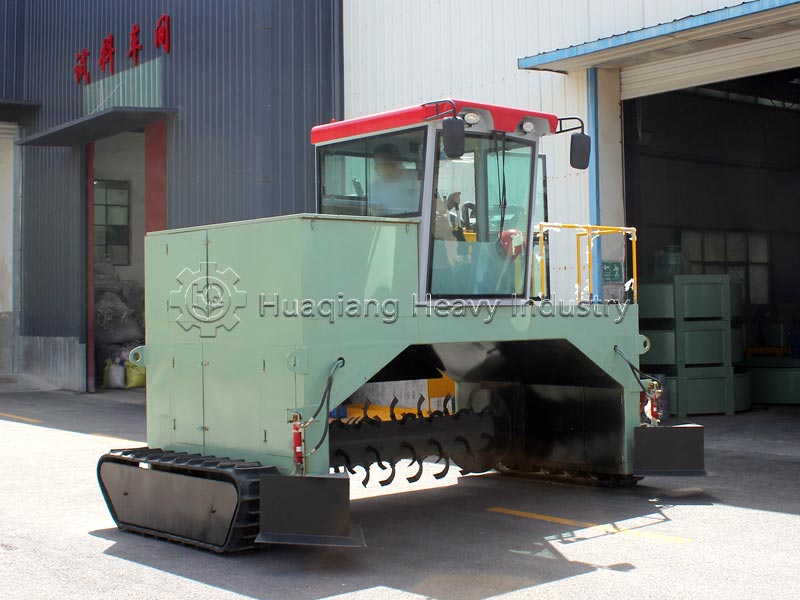
Spring (Damp Season): In southern regions, air humidity is consistently above 70% in spring. Special attention should be paid to checking the insulation of electrical systems; checking for blistering and peeling of the coating due to winter freeze-thaw cycles; cleaning equipment drainage holes to prevent water accumulation and corrosion.
Summer (High-Temperature and Rainy Season): Summer temperatures often exceed 35℃, accelerating corrosion reactions. The coating inspection cycle should be shortened (from monthly to bi-weekly); ensure the high-temperature resistance of the lubricating oil by using 220# extreme pressure gear oil; clean the equipment promptly after rain and run it idle to dry any accumulated water.
Autumn (Golden Maintenance Period): Thoroughly inspect and repair any damaged coating areas; replace severely worn bearings and seals; perform rust prevention treatment on the entire machine.
Winter (Low Operating Period): If the equipment is to be shut down for an extended period, it must be thoroughly cleaned, otherwise residual material will exacerbate corrosion; apply rust-preventive grease to exposed metal parts; check the reducer oil quality and replace it if necessary.
Common Questions and Expert Answers (FAQ)
Q: Why is chicken manure particularly corrosive to compost turners?
A: The ammonia gas produced during chicken manure fermentation combines with moisture to form an alkaline corrosive medium. Simultaneously, the fermentation process also produces corrosive gases such as hydrogen sulfide and organic acids. This multiple layering of corrosion results in a much higher erosion rate on metal equipment than with ordinary materials.
Q: What should be done if the anti-corrosion coating of the compost turner is damaged?
A: If coating damage is found, immediately sand it down to remove rust, apply epoxy zinc-rich anti-rust paint, and then apply a topcoat. Delaying repairs will cause corrosion to spread rapidly.
Q: Does lubrication help with corrosion prevention?
A: Yes. Good lubrication reduces direct friction and wear between metal parts, and the lubricating oil film also helps to isolate air and moisture. Most of the load on the equipment is on the bearings, so lubrication directly affects the equipment’s lifespan.
Q: How much longer can corrosion protection extend the equipment’s lifespan?
A: Data shows that proper corrosion protection can extend equipment lifespan by 3-4 times and reduce annual maintenance costs by more than 60%.

Effective corrosion prevention and regular maintenance of the animal manure compost turner are not optional—they are essential for ensuring the longevity and reliability of the entire organic fertilizer production chain. The composting process for animal manure, especially chicken litter, generates aggressive ammonia and organic acids that relentlessly attack metal surfaces. By following the three‑level inspection schedule, using stainless steel or high‑performance coatings (epoxy + polyurea), and adapting maintenance to seasonal conditions, operators can extend equipment life by 3‑4 times and reduce annual repair costs by over 60%. This proactive approach directly benefits downstream processing: a well‑maintained chicken manure fertilizer machine delivers consistent, fully decomposed material to the fertilizer crusher and mixer, followed by the organic fertilizer disc granulator or other fertilizer granulator machine for uniform pelletizing, and then fertilizer screening equipment to ensure size consistency before final packaging with an automatic fertilizer packing machine. While the industrial fertilizer machine price may seem substantial, the return on investment is maximized when corrosion is controlled from the start—reducing downtime, spare parts consumption, and premature replacement costs. In short, treating corrosion prevention as a strategic priority, rather than an afterthought, safeguards your equipment investment, ensures uninterrupted production, and ultimately delivers higher‑quality organic fertilizer to the market.